⏱️ Read Time: 4 Mins
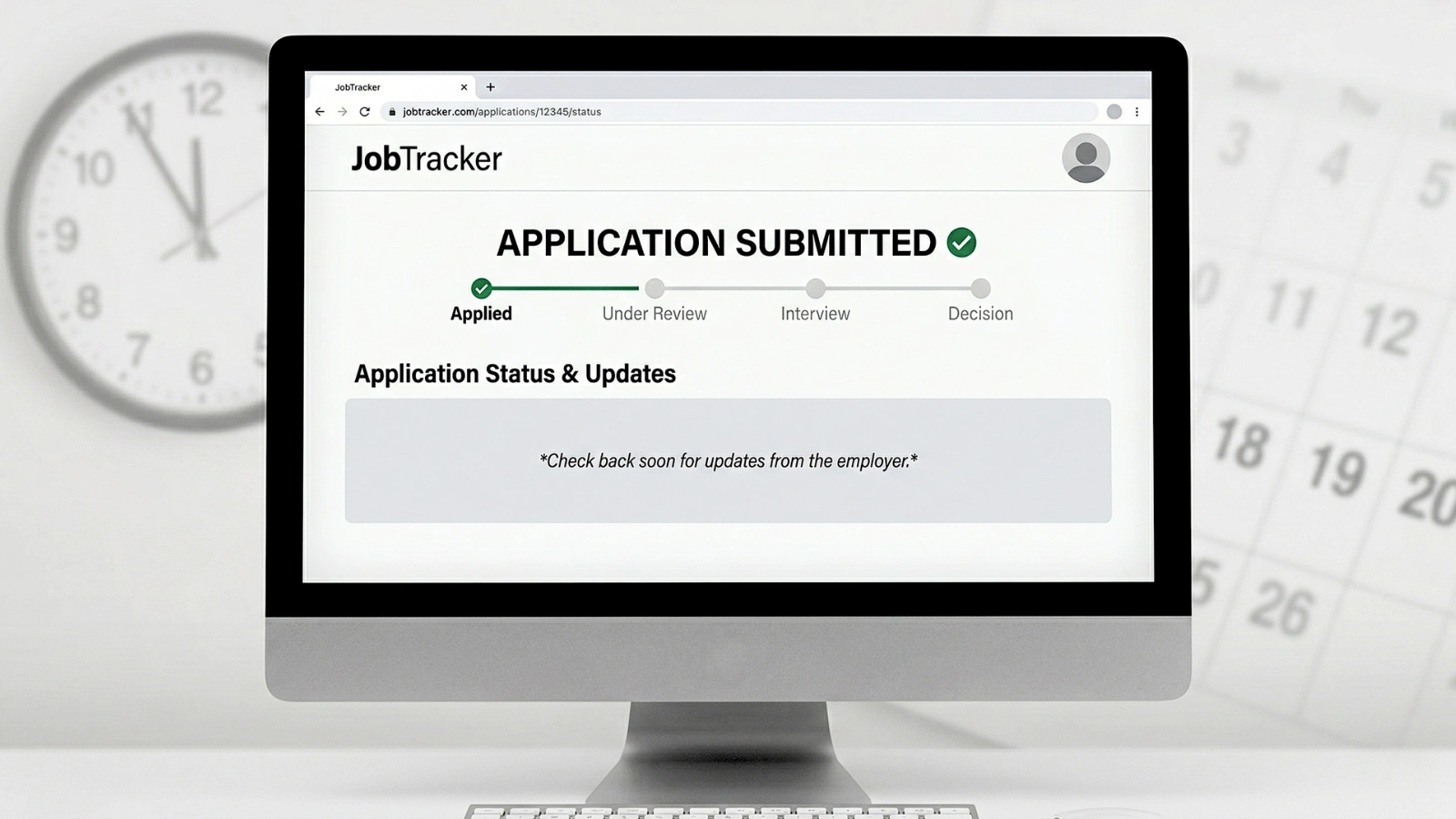
An application goes into the LinkedIn system, the confirmation screen loads, and then silence follows. Weeks pass without a status change, an email, or a profile view.
From the outside, it looks like you’re being ignored. Inside the system, you were filtered out long before anyone had a chance to notice.
The submission isn’t lost in a glitch, and the platform isn’t broken. The system is working exactly as it was built to filter massive volume rather than provide closure to candidates.
What actually happens behind the dashboard
When an application hits the system, it doesn’t drop onto a hiring manager’s desk. It drops into LinkedIn Recruiter, the enterprise backend dashboard that hiring teams use.
This dashboard is built for sorting, not reading. Resumes are parsed, scored, and categorized before a human even logs in.
Recruiters rarely look at applications chronologically. They view them based on relevance scores. Applications lacking the right density of required skills are often filtered into a secondary bucket that is rarely checked in practice.
LinkedIn’s current matching system also prioritizes candidates who already share connections with employees. The platform actively measures network proximity. An application with zero internal connections usually requires a near‑perfect skill match to surface near the top of recruiter results.
The recruiter behavior reality
Most applicants imagine a hiring team carefully reviewing every submission. In reality, internal recruiters juggle many open requisitions while under constant pressure.
They open the dashboard and review the top tier surfaced by the algorithm. If they find five solid people in that first batch of twenty, they often stop scrolling.
Most of the remaining applications never get reviewed. Rejection emails aren’t sent because the requisition technically remains open during interviews. Silence is the default state of the platform.
- Applied to Jobs but No Response Anywhere? What’s Actually Going On
- Ghost Job Listings Explained: Why Companies Post Roles They’re Not Filling
- Why Employers Filter Out Most Applicants Before Reviewing Resumes
- Entry-Level Tech Jobs From Home: What Actually Gets You Selected
- Your Resume Isn’t the Problem — Here’s What Hiring Systems Actually Read
The ghost job epidemic
A portion of listings are not actively hiring. Companies sometimes leave roles open to project growth or collect talent pipelines.
Other times, the role has already been filled internally. HR policies or local laws may require companies to post jobs publicly for compliance reasons, even after a candidate was chosen.
These ghost listings are obvious when a job sits for thirty days, comes down, and reappears exactly the same way. In those cases, no one is reviewing resumes because the role isn’t actively being filled yet.
Myths vs reality of the process
- Myth: Early applications guarantee visibility.
Reality: Speed doesn’t trump relevance. A well‑optimized profile submitted later can outrank a rushed early one. - Myth: “Easy Apply” is just as effective as applying through a company portal.
Reality: Easy Apply attracts thousands of low‑effort submissions, making it harder for serious candidates to surface. - Myth: A “Viewed” notification means advancement.
Reality: It only means a recruiter clicked a profile or downloaded a PDF. It’s activity, not intent.
Actual next moves
Waiting for platform notifications is a losing strategy. Once an application is submitted, the focus should shift to direct contact.
Find the internal recruiter attached to the department. Send a brief message noting your application, followed by one specific question about the team’s current goals. The objective is to spark a professional conversation, not beg for a resume review.
If the recruiter is hidden, look for the department head or leverage alumni connections for a warm introduction. They can often confirm whether the role is active or frozen.
If a month passes with zero movement and the listing stays up, the hiring team is either stuck in budget indecision or the role doesn’t exist. At that point, you’re not waiting on a response. You’re waiting on something that isn’t moving.

Sarah Johnson is an education policy researcher and student-aid specialist who writes clear, practical guides on financial assistance programs, grants, and career opportunities. She focuses on simplifying complex information for parents, students, and families.