⏱️ Read Time: 4 Mins
Millions of student loan borrowers assume their frozen accounts and zero-dollar statements mean the federal government is still trying to salvage the SAVE plan. The reality is the decision is final, the program has been shut down by court ruling, and borrowers are being moved into repayment structures that can significantly increase payments.
The final legal ruling didn’t just pause the initiative; it effectively ended it through a court ruling. Right now, around 7.5 million accounts are parked in an artificial administrative holding pattern.
That temporary silence feels like relief to anyone who hasn’t looked closely at the court dockets. It isn’t. The Department of Education is preparing to move those accounts out of the SAVE structure entirely.
There is no clear protection keeping borrowers on existing SAVE terms.
The July Action Trigger
The quiet phase ends abruptly on July 1, 2026. This is the exact date when official transition notices will begin flooding email inboxes and servicer message centers.
Do not expect flashing red warning banners. These alerts will likely mask the severity of the financial shift behind dry, bureaucratic language. A generic subject line mentioning an “update to your repayment profile” is actually the start of a countdown timer.
From the moment that specific notice is generated by the servicer, the clock starts. The window to act is roughly 90 days.
The Manual Handoff Failure
The most dangerous part of this transition is the lack of a systemic safety net. The government will not look at a borrower’s past tax returns and conveniently slide their account into the next cheapest Income-Driven Repayment alternative.
The entire transition relies on a forced manual switch.
If the email goes to a spam folder, if the alert is dismissed, or if the borrower simply assumes the loan servicer will automatically calculate the best rate, the system will execute a harsh default protocol. It assumes inaction means the borrower no longer needs income-based protection.
- Student Loan Payment Increased Suddenly? What Caused It
- Student Loan Plan Changed Automatically? What It Means
- IDR Payment Too High After Approval? What Went Wrong
- MOHELA IDR Approved But Payment Not Updated? Fix It Fast
- Do You Have to Pay While IDR Is Pending? What Actually Happens
- Forced Off SAVE Plan? Why Payments Are Restarting
- SAVE Plan Alternatives 2026: What Replaces It Now
The Auto-Enrollment Shock
Letting the 90-day transition window expire triggers an immediate, automatic enrollment into the Standard Repayment Plan. In some specific loan consolidation scenarios, it triggers a Tiered plan.
This algorithm change completely removes a person’s salary and living expenses from the equation. The math shifts away from affordability and focuses entirely on liquidating the remaining principal and interest within a strict 10-year timeline.
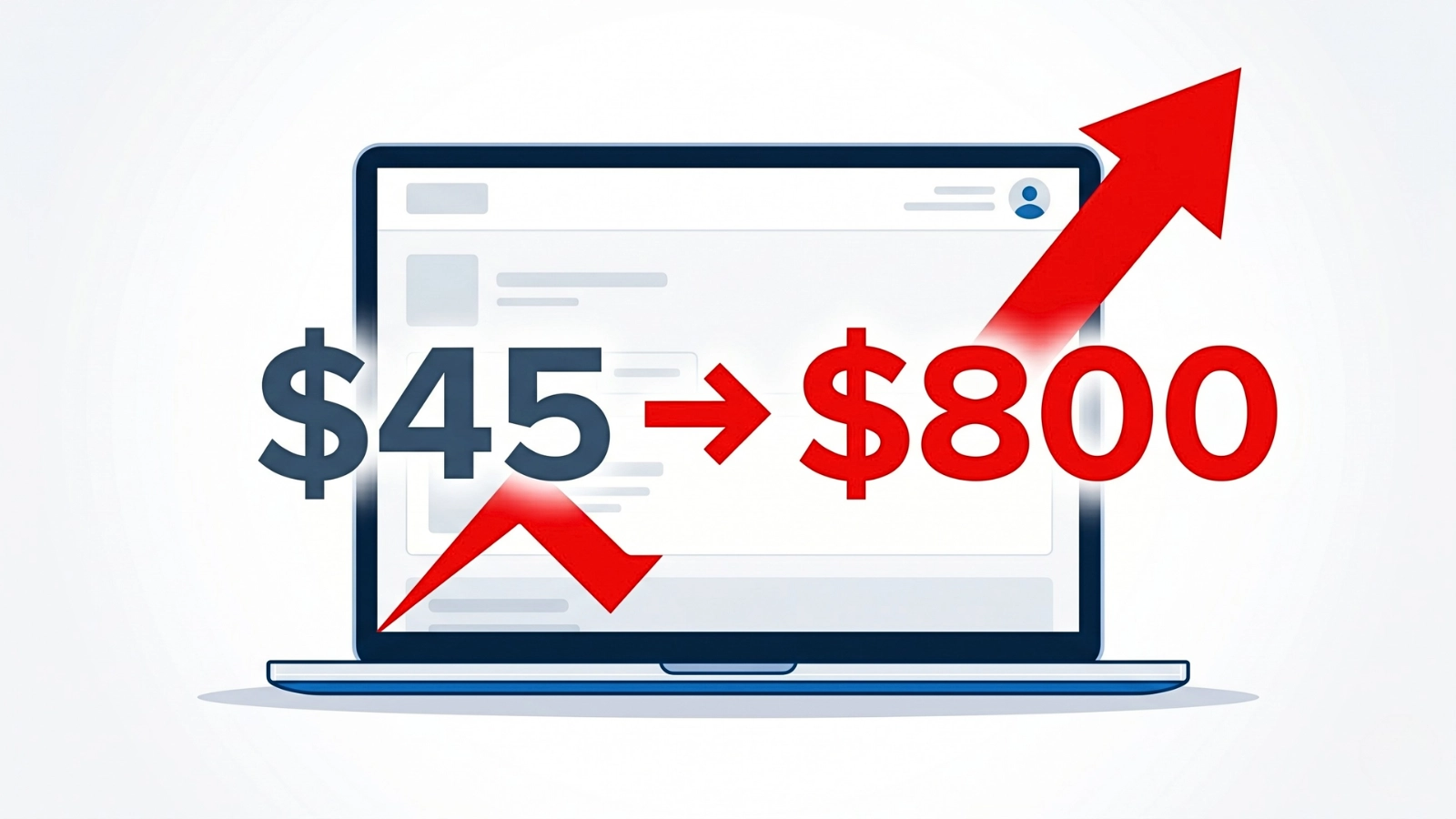
The financial whiplash will be severe. A borrower accustomed to a subsidized $45 monthly bill under SAVE could log into their portal on day 91 to find a newly generated, non-negotiable payment of $800.
The servicer will not ask for permission before locking in the new, drastically higher rate. They are simply executing the programmed consequence of an expired deadline.
The Processing Bottleneck Risk
Escaping this auto-enrollment trap requires navigating a historically fragile federal digital infrastructure.
When a critical mass of those 7.5 million affected borrowers realize their grace period is vanishing, the simultaneous rush to submit new IDR applications will strain studentaid.gov all at once.
High application volume can slow processing and delay approvals. Pages may time out mid-submission, identity verification tokens can drop, and paperwork may stall in “pending” status across the disparate networks of third-party loan servicers.
Relying on the system to quickly process a complex income-driven application during late summer is a massive gamble. Waiting until the final weeks of the 90-day window practically guarantees the paperwork will not clear before the massive Standard payment posts to the account.
The Processing Gap Trap
Once that highly inflated Standard payment generates, reversing the damage is a brutal process.
Servicers will demand the massive payment be made while the new IDR application sits untouched in their processing queue. They do not pause billing just because a form was submitted late.
Accounts that inevitably fall behind during this bureaucratic processing gap will immediately start absorbing the consequences. Delinquencies trigger rapidly. The buffer of the pandemic-era on-ramps is gone.
The illusion of the frozen loan is ending. The mechanism to force millions of people into higher brackets is already coded, and the timer starts in July.

Sarah Johnson is an education policy researcher and student-aid specialist who writes clear, practical guides on financial assistance programs, grants, and career opportunities. She focuses on simplifying complex information for parents, students, and families.