
⏱️ Read Time: 3 Mins
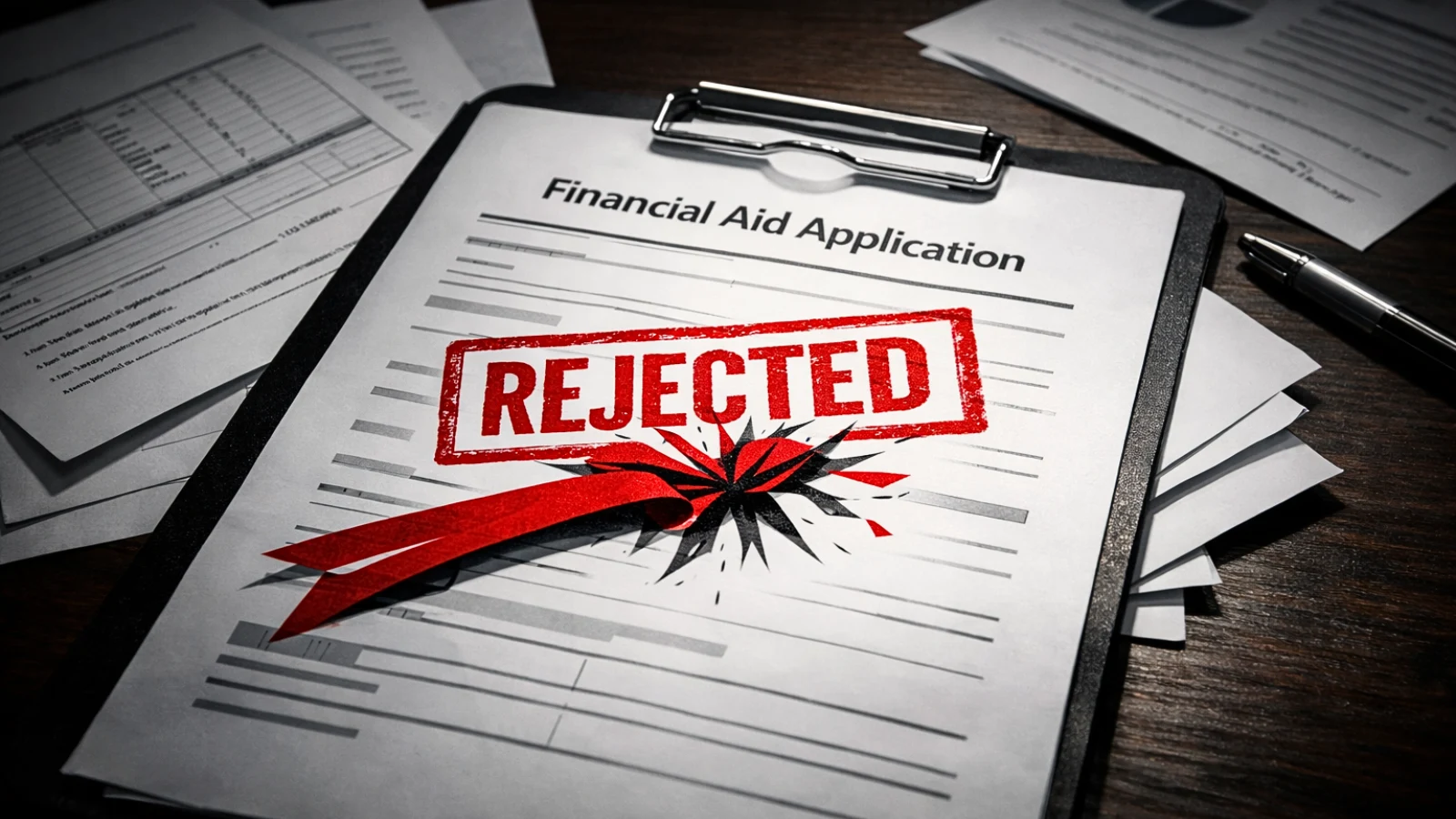
Filling out the FAFSA takes hours of digging up tax records. Then a trucking school rejects the application. The denial letter rarely explains why, leaving students staring at a tuition bill they expected aid to cover.
The hardest part: the income qualifies. The money is blocked anyway.
The problem isn’t your FAFSA. It’s the program you picked.
When a CDL program denial alert hits, most assume a tax mistake or missing signature. But rejections almost never come from personal finances. The federal government evaluates the program itself.
Title IV rules demand strict program length and clock hours. The Department of Education won’t release aid unless those thresholds are met.
Private trucking academies sell speed — four weeks, 160 hours, pass the exam, hit the road. That speed is exactly what triggers rejection.
Why 4‑Week Programs Keep Getting Rejected
A four‑week bootcamp logs about 160 hours. That fails federal aid thresholds.
To qualify, CDL programs are typically structured around longer timelines like 15 weeks or higher clock‑hour requirements. Even exceptions require at least 10 weeks and 300–599 hours, tied to job placement metrics.
A crash course cannot meet the Department of Education’s definition of an eligible program. The FAFSA system hard‑stops the application. The student is left with an out‑of‑pocket bill because the curriculum is too short.
What Schools Don’t Explain About Pell Eligibility
Recruiters push students to file FAFSA “just in case.” What they don’t say: Pell Grants only flow if the school itself is Title IV‑approved.
Many private academies never apply. Compliance, accreditation, and reporting costs are too high for fast‑turnover businesses.
Result: students qualify on income, but the school isn’t legally authorized to accept federal funds. The bridge breaks at the institutional level.
More ways students unlock funding (and where it breaks)
What to check before you apply again
Before submitting FAFSA again, the focus shouldn’t be your income or tax forms. It should be the program itself.
First, confirm whether the school is approved to accept federal student aid. If the institution isn’t Title IV eligible, the application will fail no matter what your income looks like.
Next, look at the structure of the program. Short, fast-track CDL courses are the most common reason applications get blocked. If the program doesn’t meet federal length or clock-hour expectations, it won’t qualify.
It’s also worth asking the school’s financial aid office directly before applying. Many students waste time completing FAFSA only to find out later the program was never eligible in the first place.
If speed is non-negotiable, check local workforce offices for WIOA funding instead. That system is designed for fast job training and often covers CDL programs that FAFSA cannot.
How Some Programs Structure Around This (Legally)
Government aid for CDL training usually means shifting away from private bootcamps toward state‑funded institutions or alternate pipelines.
Community colleges embed CDL into broader logistics or heavy equipment certificates. Longer supervised driving hours and added coursework push programs past the 15‑week/600‑hour threshold. That makes Pell Grants possible.
For those who can’t commit to a semester, the alternative is WIOA. Managed by the Department of Labor, WIOA grants retrain workers for high‑demand jobs. Truck driving is almost always on the list.
A four‑week CDL blocked by the Department of Education may still qualify for WIOA funding through a local career center.
The aid system isn’t built for speed. It’s built for structure. FAFSA doesn’t follow speed. It follows structure.

Sarah Johnson is an education policy researcher and student-aid specialist who writes clear, practical guides on financial assistance programs, grants, and career opportunities. She focuses on simplifying complex information for parents, students, and families.