
Sarah Johnson

Sarah Johnson is an education policy researcher and student-aid specialist who writes clear, practical guides on financial assistance programs, grants, and career opportunities. She focuses on simplifying complex information for parents, students, and families.

Minimalist vector showing a passive student on a dark screen and an active student interacting with a glowing 3D shape on another screen, representing the contrast between passive and active technology use in learning.
Classroom Technology

The 2026 Screen Paradox: Why Passive Tech Is Emerging as a Classroom Threat

Classrooms entering 2026 are facing a new challenge: students are on screens but not actually learning. This article breaks down why passive tech is harming attention, memory, and engagement, and what schools and parents can do to restore active learning habits.

The 2026 Screen Paradox: Why Passive Tech Is Emerging as a Classroom Threat Read Post »
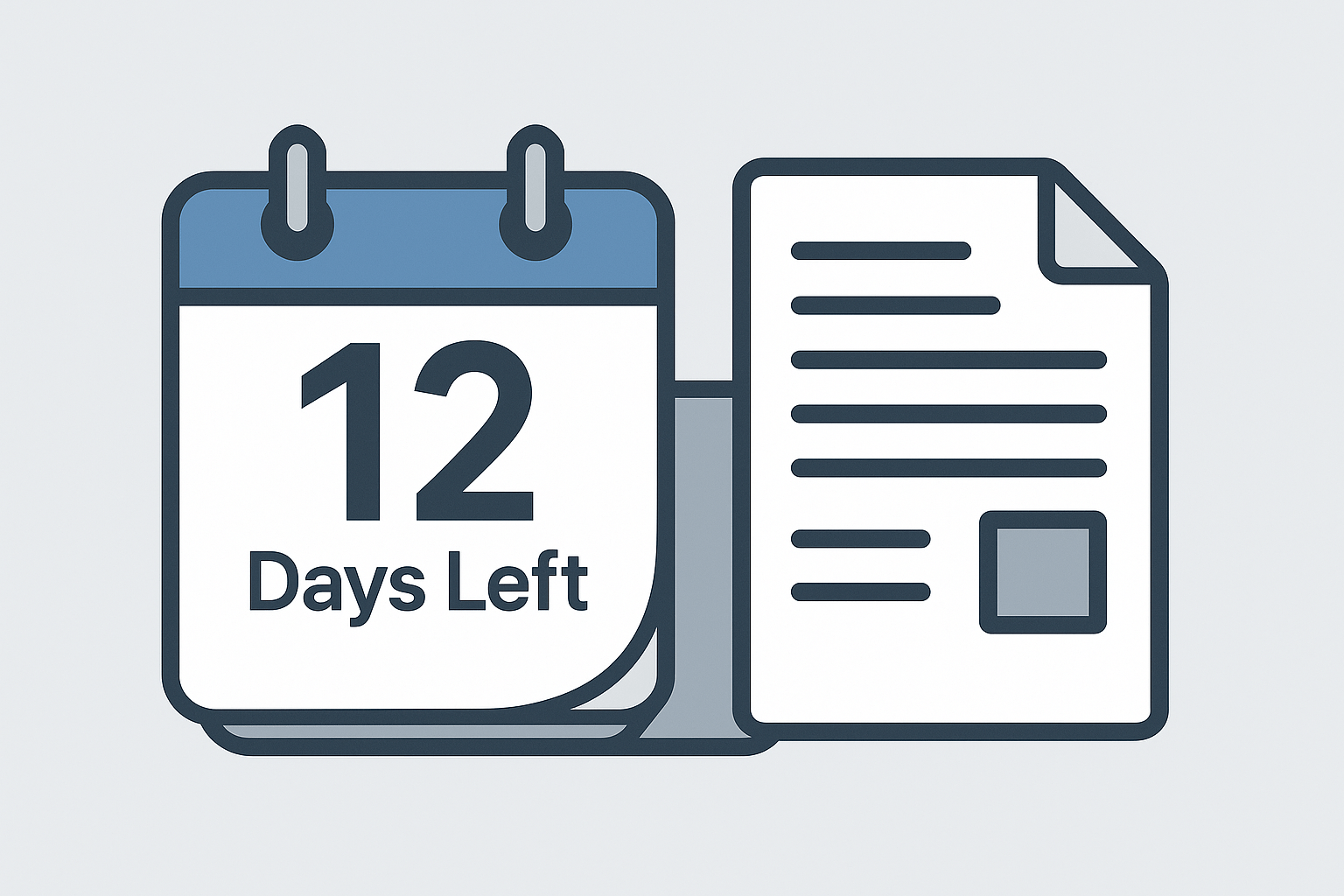
Minimalist vector illustration of a calendar timeline showing a 12-day countdown.
Education Policy & Student Aid

Huge Student Loan Update Expected in 12 Days: What Borrowers Should Prepare For

A critical 12-day window is opening for student loan borrowers. With the December 31 tax exemption expiring and income recertification notices returning, this update will reshape repayment plans for 2026. Here is the essential preparation guide to protect your finances before the calendar turns.

Huge Student Loan Update Expected in 12 Days: What Borrowers Should Prepare For Read Post »

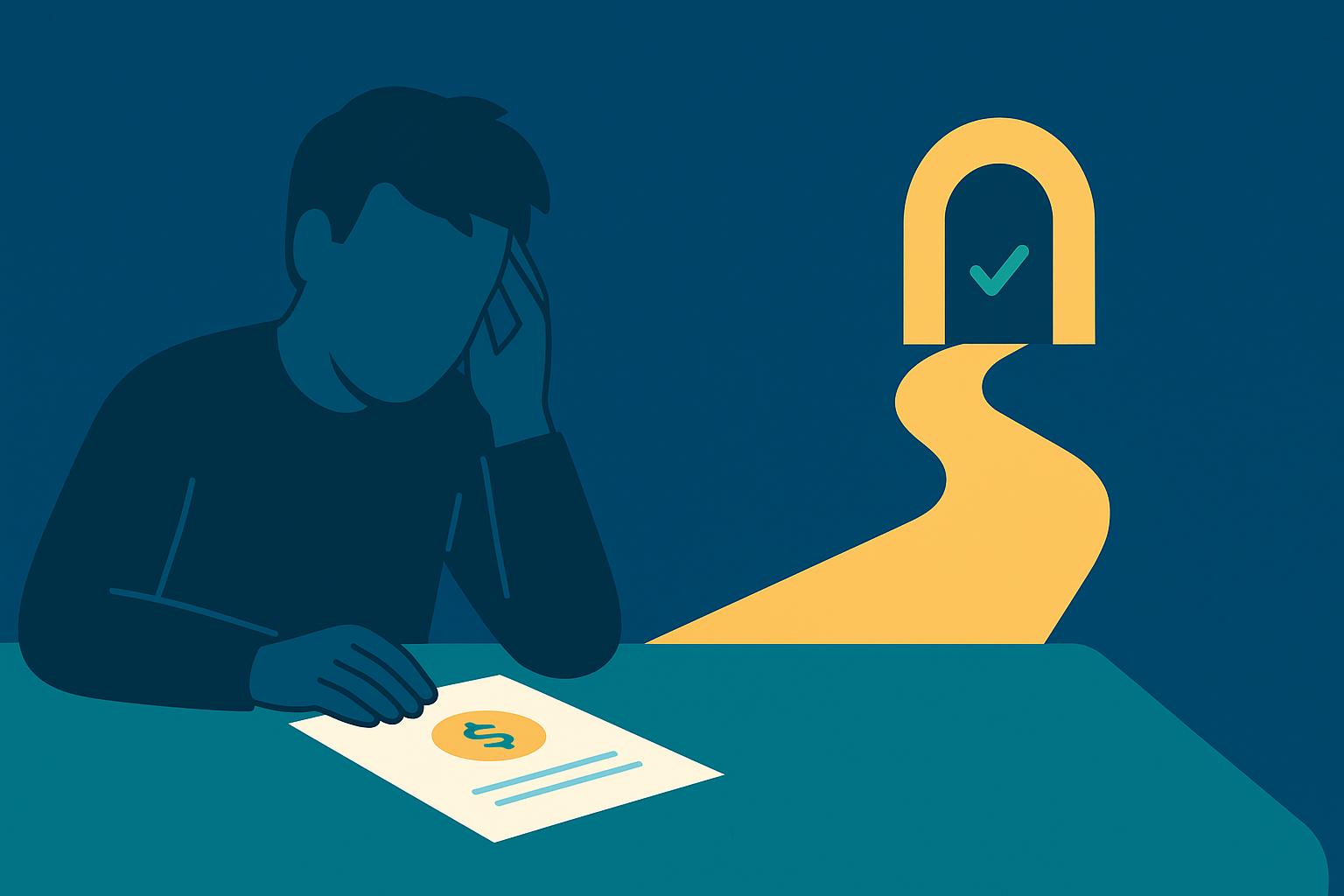
Minimalist Vector of a Parent Sitting at a Table Reviewing Finances
Financial Aid

The Grandparent Loophole: How a Quiet FAFSA Change Can Save Your Financial Aid

A quiet rule change inside the FAFSA Simplification Act has opened a legal way for families to protect their savings without losing financial aid. The “Grandparent Loophole” reshapes how 529 plans are counted and can prevent thousands in grant losses for middle income households. This guide explains how the new rule works and when it can safely be used.

The Grandparent Loophole: How a Quiet FAFSA Change Can Save Your Financial Aid Read Post »

A worried mother watching her young daughter read a book, noticing early signs of reading comprehension struggles.
Education Policy & Student Aid

Your 2nd Grader’s Reading Level Is a Lie: The Red Flag Every Parent Misses

Many parents feel relieved when a school says their 2nd grader is “reading at grade level,” but that number hides the biggest early-literacy red flag. A child can sound fluent and still miss the meaning entirely. This guide explains what parents should really look for and the signs that comprehension is falling behind even when levels look fine.

Your 2nd Grader’s Reading Level Is a Lie: The Red Flag Every Parent Misses Read Post »

Scroll to Top