
Published: November 28, 2025
Most parents breathe a sigh of relief when they hear the words, “Your child is reading at grade level.” It sounds official. It feels reassuring like a green light that everything is fine.
However, after decades of data from elementary classrooms, experts are issuing a warning: most second-grade reading levels do not reflect what a child can actually do.
Reading levels are not the problem; the way they are used is. Parents are often given a single number or letter without the context that actually matters. That missing context is the red flag that gets overlooked in thousands of parent-teacher meetings every year.
If a second grader is labeled as “on level,” here is what parents should really be paying attention to.
Why Reading Levels Mislead Parents
Levels were originally created as a tool for teachers to match kids with books they could read comfortably. They were never meant to be used as a measure of long-term literacy strength. Yet, somewhere along the way, the number became the whole story.
The truth is simple: a second grader can hit the expected level through memorization, pattern guessing, or sheer familiarity with predictable books without actually understanding what they are reading. When a school says a child is “on track,” it often means they can get through the text, not that they can process it.
The Red Flag: Low Comprehension With High Fluency
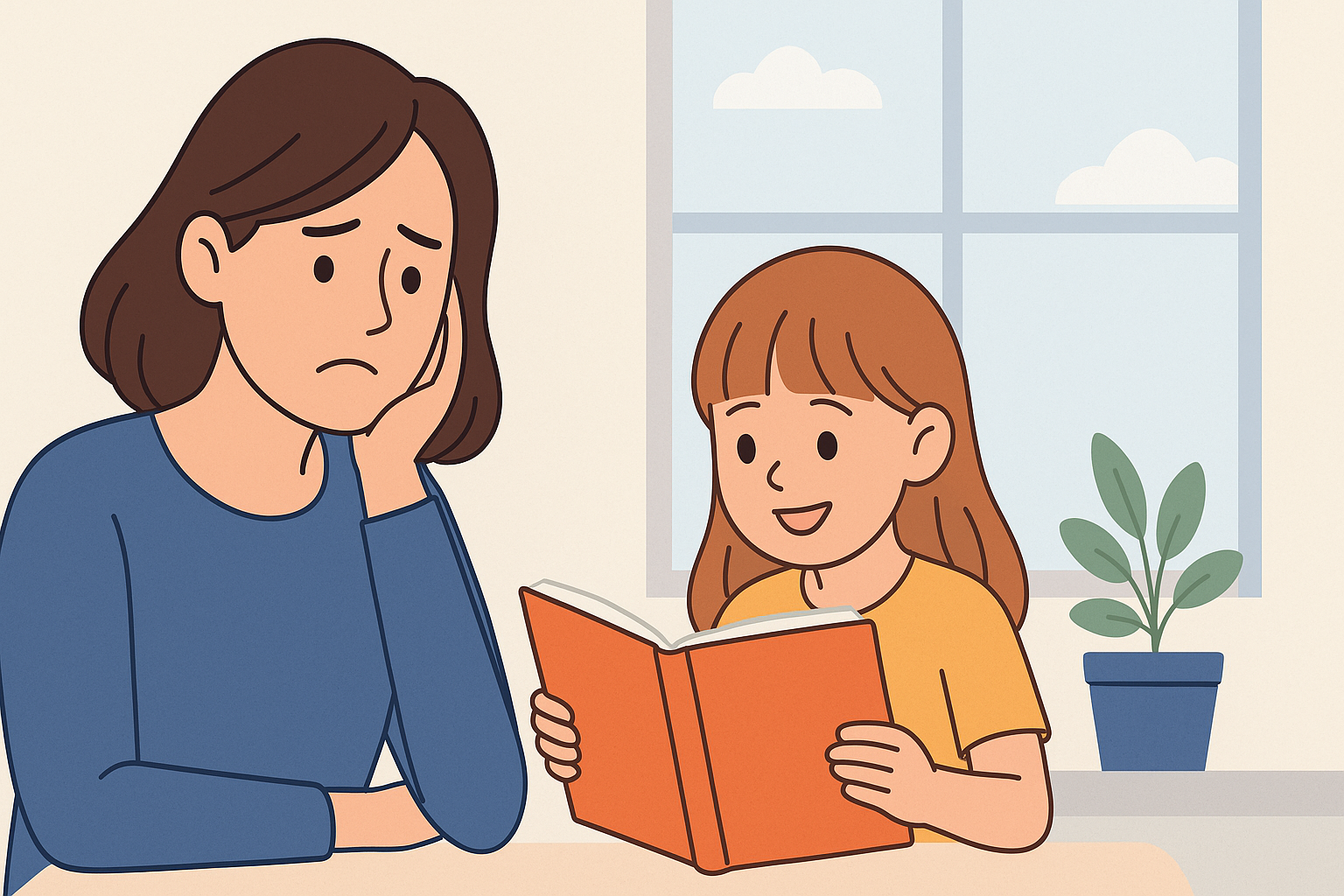
This is the pattern teachers see every year: A child reads smoothly. Their voice has expression. They turn pages at the right pace. On paper, everything looks great. But when asked what the text means, their understanding is miles behind their fluency.
The “Fake Reading” Trap:
- A child finishes a page quickly.
- The teacher asks, “Why did the character do that?”
- The child stares blankly with no idea how to answer.
This gap between sounding skilled and actually understanding the text is the number one red flag parents miss, and it is exactly what reading levels fail to measure.
What Schools Rarely Explain About Reading Levels
Three important truths usually stay buried beneath the “on level” label:
- Levels don’t measure comprehension. A child can decode words accurately but completely miss the meaning.
- Levels don’t reveal stamina. Many second graders can read for five minutes but fall apart at ten.
- Levels don’t track vocabulary growth. True comprehension depends on word knowledge, not level numbers.
A child can be technically “on level” and still be at risk for hitting a wall by third grade.
The 3 Questions Every Parent Should Ask
Instead of asking, “What level is my child on?”, shift the conversation to these far more powerful questions during conferences:
1. How much does my child understand when reading independently?
Ask the teacher how the child handles open-ended questions, not just multiple choice.
2. Can my child summarize the story without prompts?
Retelling a story in their own words is a far stronger indicator of literacy than any level letter.
3. Does my child choose books willingly and stick with them?
Reading stamina and motivation matter more than page-turning speed. The parents who ask these questions get a far more accurate picture of their child’s literacy health.
Hidden Signs Your 2nd Grader Is Struggling
Based on classroom data, these are the subtle indicators that a child labeled “on level” may actually be drifting behind:
- They guess words based on pictures instead of decoding letters.
- They read with expression but freeze when asked to explain the plot.
- They avoid chapter books even though they are “at the level.”
- They memorize familiar series instead of attempting new texts.
- They shut down when presented with nonfiction.
None of these behaviors would show up in a standard reading level assessment, but every single one matters. If these struggles persist, investigate scholarships for learning disabilities that can help fund specialized testing or support.
What Parents Can Do at Home
Parents do not need special training or expensive programs to get an accurate sense of a child’s skill. However, if you decide you need professional help, check if you qualify for 2025 tutoring assistance programs that pay for private reading intervention.
The “Close the Book” Test: Listen to the child read a short page aloud. Then close the book and ask three simple questions:
- What happened?
- Why did it happen?
- What might happen next?
If they struggle with any of these, the issue is comprehension, not level. Catching this now at age seven or eight prevents years of frustration later.
For strengthening comprehension at home, focus on slow, thoughtful reading rather than rushing through levels. Discuss characters. Talk about motivations. Ask how the child would change the ending. These are the conversations that build strong readers.
Why This Matters Before Third Grade
In most U.S. states, third grade is when reading shifts from “learning to read” to “reading to learn.” That transition hits children hard if their comprehension foundation is shaky. A second grader who reads quickly but understands poorly is the student who struggles in third grade science, fourth grade social studies, and beyond.
Reading levels won’t warn you about this. But checking for true comprehension will. If a second grader’s reading level looks fine on paper but something feels off, trust that instinct. Ask better questions, listen closely, and look beyond the number. A child’s reading future depends on it.

Sarah Johnson is an education policy researcher and student-aid specialist who writes clear, practical guides on financial assistance programs, grants, and career opportunities. She focuses on simplifying complex information for parents, students, and families.