Published: December 5, 2025
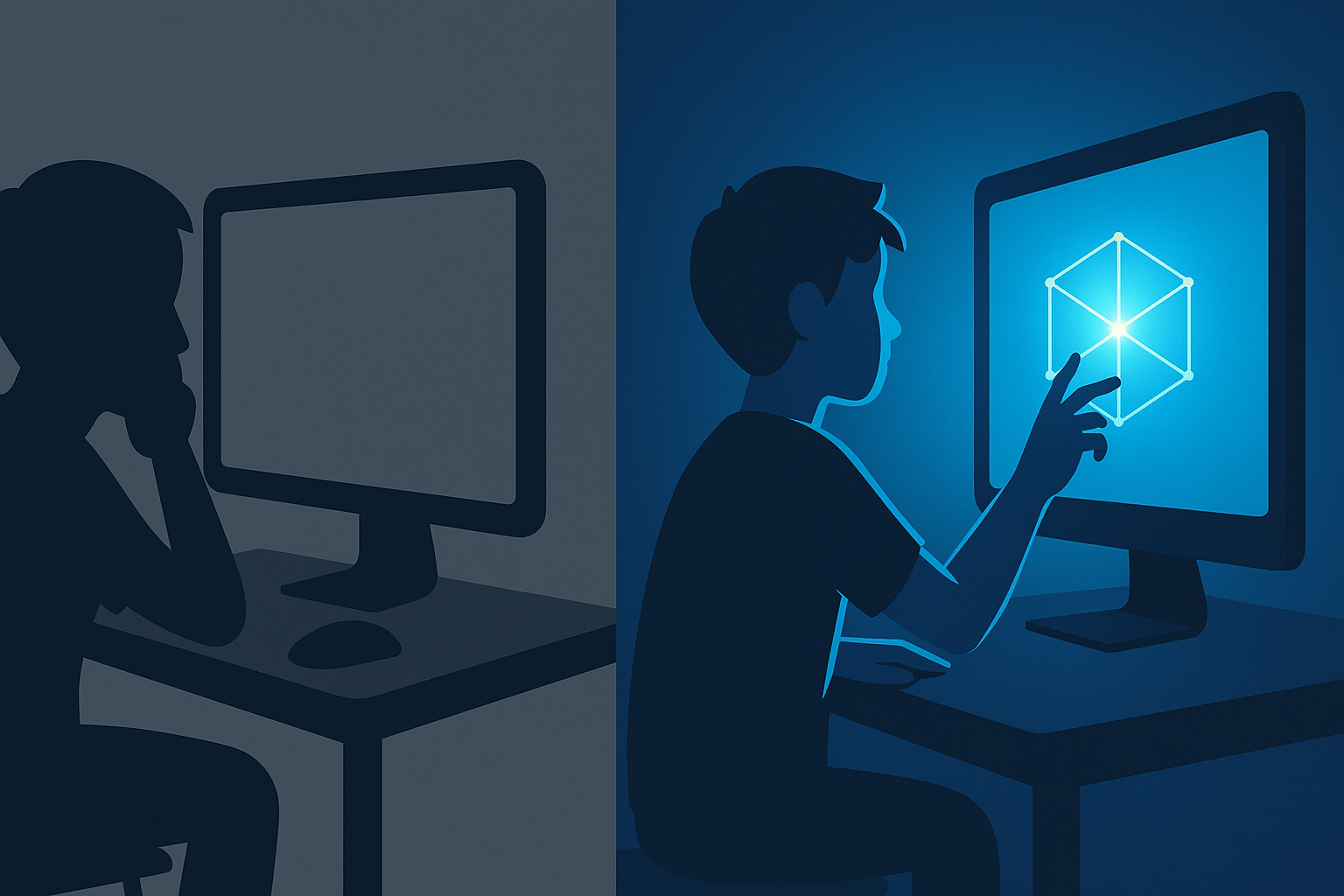
Across many classrooms, teachers describe a similar experience. Students appear focused on their screens, working quietly and completing tasks.
Yet when asked to explain what they learned, much of the understanding is missing.
Parents report similar patterns at home. Children spend long stretches online but retain little of the academic material they encounter.
This pattern is increasingly described by educators and families as a kind of Screen Paradox, a disconnect between constant digital activity and minimal cognitive engagement.
The Shift Toward Passive Digital Use
Several districts that expanded classroom technology over the past decade expected devices to strengthen personalized learning.
But a different trend is becoming visible heading into 2026.
Students are moving away from using screens to create, explore, or solve. Instead, many gravitate toward passive digital consumption.
This includes auto-play videos, endless content streams, and low-effort apps that present information without demanding much thinking.
Educators in multiple states describe similar student behaviors:
- Students watch, but they do not process.
- They click, but they do not question.
- They complete tasks, but they do not retain.
Patterns Emerging in Cognitive Research
When students read, write, or engage in problem-solving, their brains form durable pathways. Passive viewing forms far fewer.
The U.S. Department of Education’s National Educational Technology Plan highlights the “Digital Use Divide.”
It notes that different types of technology use produce markedly different academic outcomes.
Researchers observing early and secondary classrooms have identified recurring cognitive patterns:
- Lower attention stamina during lessons.
- Slower movement from instructions to action.
- Reduced retention after material is reviewed.
Students in these observations appear to absorb movement and sound, but not meaning.
This disconnect creates a hidden deficit, similar to the gaps often found in 2nd grade reading assessments.
Shifts Emerging in 2026 Classrooms
As passive digital consumption becomes more visible, several districts are assessing how classroom tools are used.
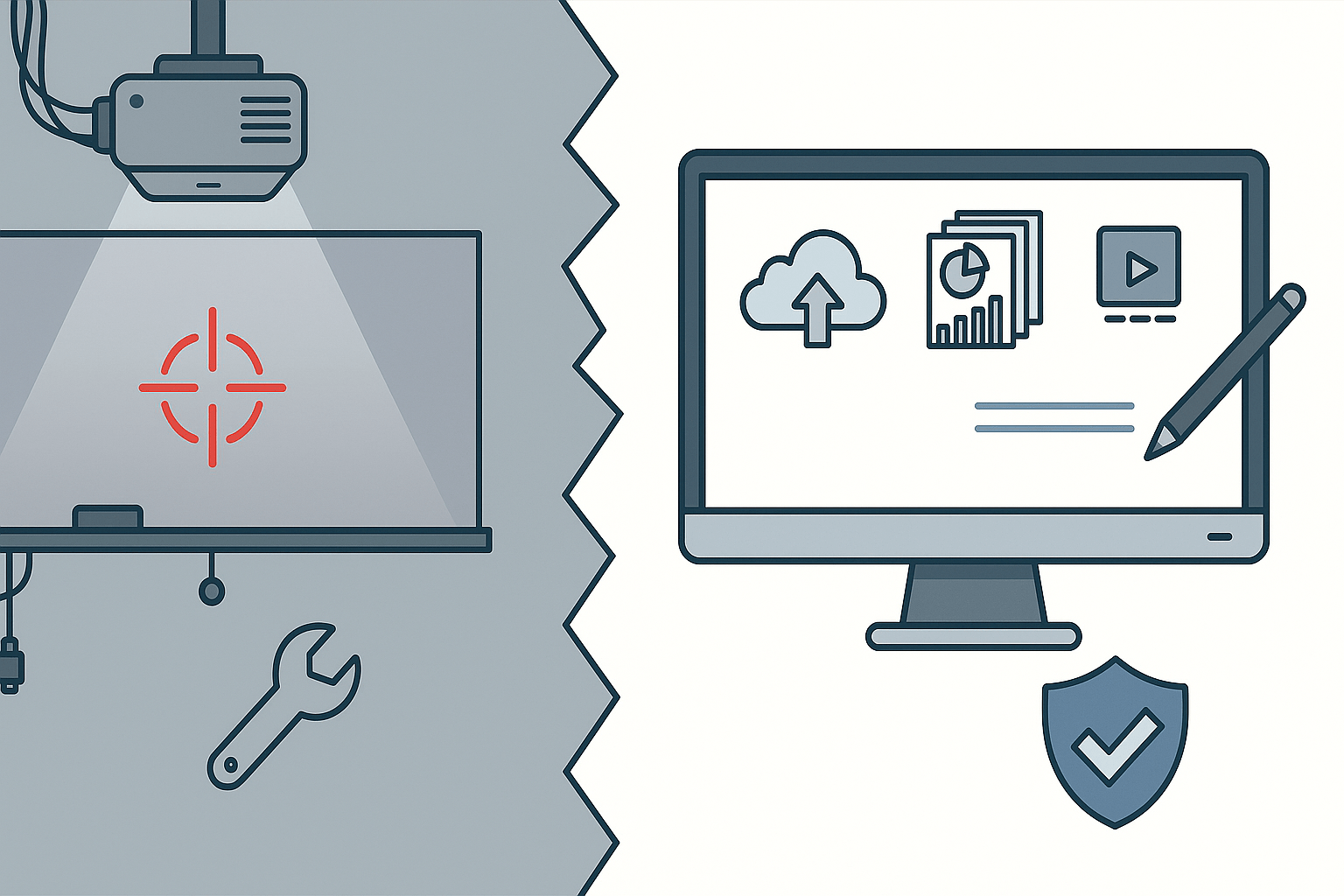
Some district leaders are beginning to redirect funds away from low-rigor digital worksheets toward creation-focused platforms.
These include design tools, coding environments, and interactive simulations.
Teachers in these settings report a shift back toward active facilitation. They are encouraging students to close screens, discuss ideas, and apply what they viewed.
This aligns with broader workforce trends. Modern tech careers without a degree reward skills tied to analysis and production, not passive consumption.
Indicators of Silent Disengagement
Traditional distraction is obvious. Passive disengagement is not.
In these observed settings, students may appear attentive while retaining minimal information.
Several educators note that students who complete digital tasks quickly often show limited understanding during discussion.
This form of disengagement can be difficult to detect, especially in classrooms that rely heavily on devices.
Institutional Responses Taking Shape
Districts reviewing screen-use patterns ahead of the 2026 school year are beginning to adjust their instructional frameworks.
- Reduction: Some schools are reducing autoplay content in favor of guided questioning.
- Active Tasks: Others are expanding active screen tasks, such as simulations and design challenges.
- Hybrid Models: Several early-elementary programs are reintroducing paper-based focus activities.
- Rotations: A small number of schools are testing screen rotations, alternating between digital and non-digital tasks.
These responses reflect an effort to shift from passive use toward active engagement rather than remove technology altogether.
Patterns Families Are Reporting
A common pattern described by families involves students spending long periods on screens yet struggling to explain what they learned afterward.
Parents observing this trend may notice three indicators:
- Production: The student watches more than they create.
- Effort: Tasks require minimal thought or challenge.
- Engagement: Learning flows in one direction content to student.
These signals do not point to a technology problem. They point to a use-pattern problem.
Families noticing these gaps who require specialized academic support may wish to explore special needs tutoring grants as a resource.
Human Impacts Becoming Visible
Teachers in multiple regions describe students who appear mentally fatigued. This is often not from academic effort, but from continuous low-engagement digital consumption.
Parents report similar concerns. Children complete online assignments quickly yet forget key ideas by the next morning. Study time increases, but comprehension lags behind.
The Screen Paradox is not about eliminating devices. It reflects a broader shift in how students interact with digital tools.
The goal moving into 2026 is not to reject technology. It is to restore the habits of thinking, reasoning, and producing, even within a digital environment.
School Aid Specialists provides independent reporting on national education trends. We are not affiliated with or endorsed by the U.S. Department of Education. For district-specific guidance, please consult official resources or speak with an instructional specialist.

Sarah Johnson is an education policy researcher and student-aid specialist who writes clear, practical guides on financial assistance programs, grants, and career opportunities. She focuses on simplifying complex information for parents, students, and families.