Published: December 6, 2025
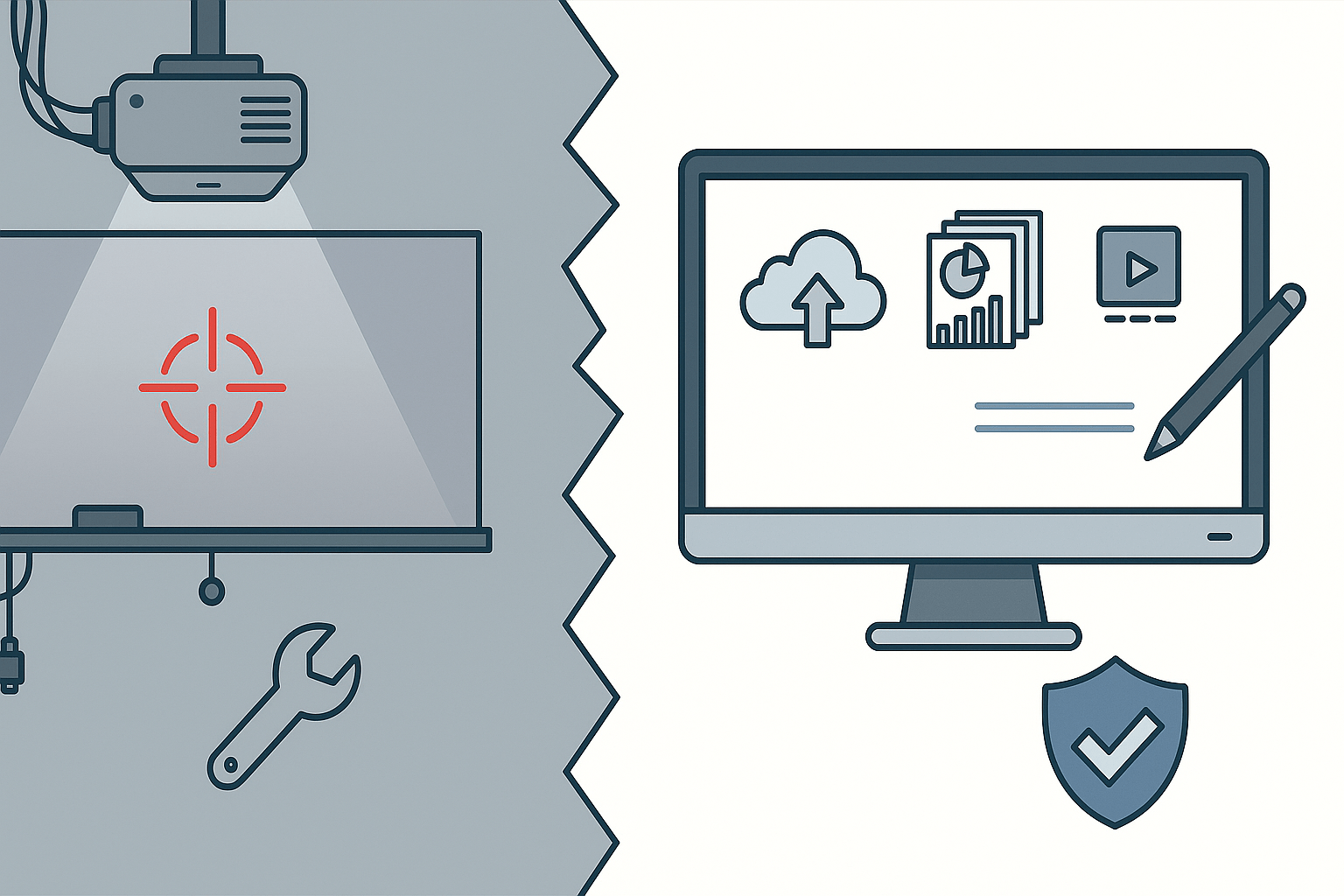
For fifteen years, the “Smartboard” meant a projector hanging from the ceiling and a whiteboard that needed constant calibration.
In 2026, that era is ending.
Districts across the country are retiring projector-based systems in favor of a new standard: the Google EDLA-Certified Interactive Flat Panel (IFP).
These new devices look like massive televisions, but they function like secure, enterprise-grade tablets.
Many districts view the transition as part of a broader effort to modernize classroom infrastructure and reduce long-term maintenance demands.
School IT directors report that the shift is driven by three factors: cybersecurity requirements, the end of “bulb maintenance,” and the need for native app integration.
The Rise of Google EDLA
The most significant acronym in 2026 classroom tech is EDLA (Enterprise Devices Licensing Agreement).
In previous years, interactive boards ran on “open” Android versions that often lacked official security support.
This created a security loophole that many districts could no longer insure.
The new wave of 2026 panels comes with EDLA certification, meaning they have official Google security protections baked into the hardware.
Teachers can now log in directly to their Google Drive, Classroom, and Docs from the board itself, without needing a connected laptop.
Projectors vs. Panels: The Cost Calculation
The move away from projectors is largely financial.
Old-style projector boards required expensive bulb replacements, filter cleaning, and frequent realignment.
The new IFP units are “solid state,” meaning they have no bulbs to burn out and consume roughly 50% less energy than older projector setups.
While the upfront cost of a 75-inch panel is higher, districts report that the total cost of ownership over five years is significantly lower due to zero maintenance.
The “Active” Screen Shift
Unlike the passive screens criticized in the “Screen Paradox,” these new devices are designed for production.
Modern panels feature “Zero Bonding” technology, which removes the gap between the glass and the display.
This allows for a writing experience that feels like pen-on-paper, critical for math and handwriting instruction.
Furthermore, built-in AI tools can now transcribe teacher lectures in real-time and convert handwritten notes into searchable text.
This supports broader accessibility goals, similar to the resources found in special needs tutoring grants.
Native Ecosystem Integration
The 2026 classroom is no longer about plugging in a VGA cable.
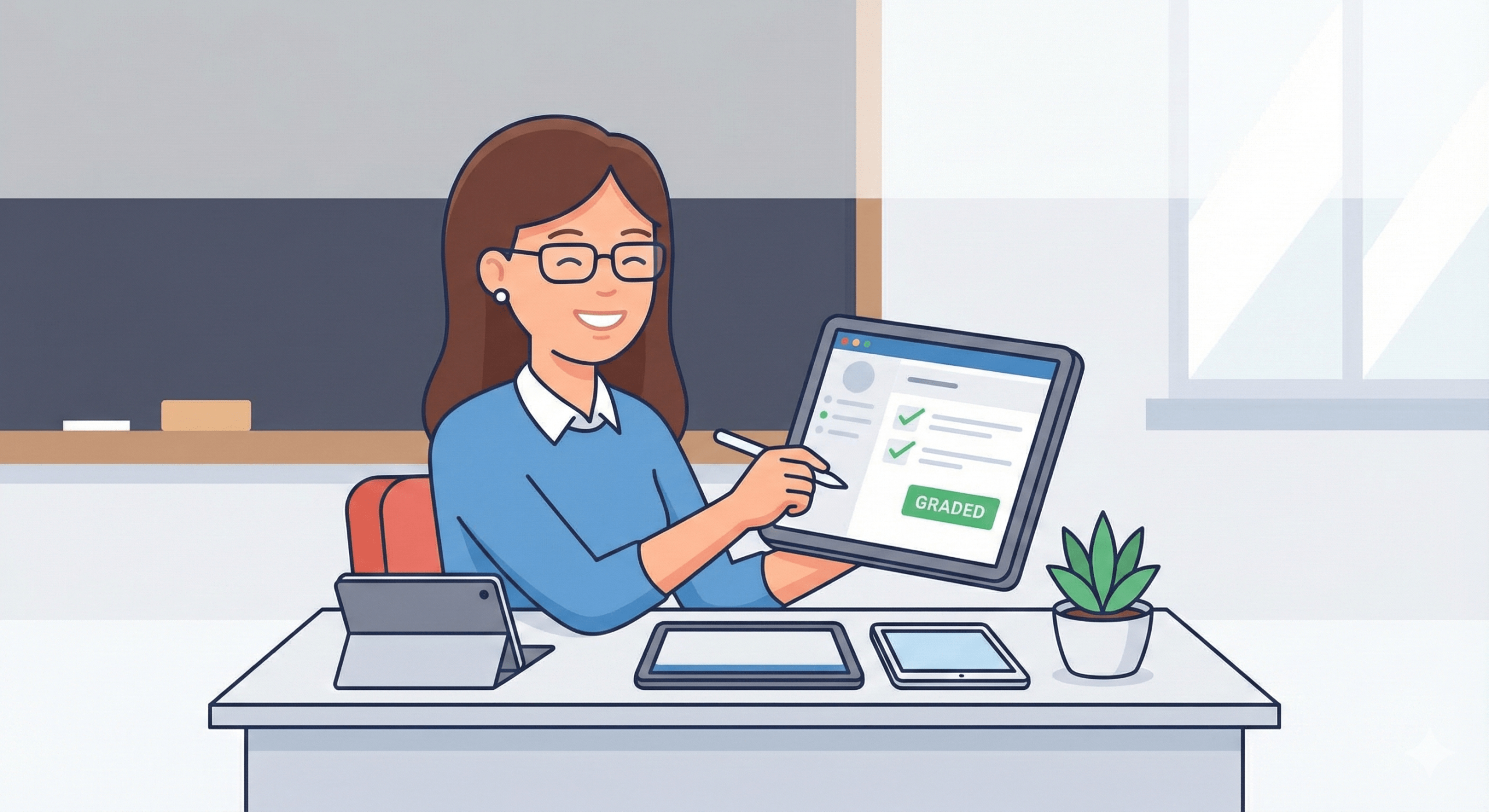
The new standard is “Hub” capability. Teachers can pull up Canva, Kahoot, or grading software directly on the board.
This seamless integration aligns with the efficiency trends seen in classroom apps that save grading time.
Because these boards run native Android 13 or 14, they function independently of the teacher’s desk computer.
Security as a Mandate
The push for updated hardware also mirrors the workforce demand for secure, cloud-ready skills.
Just as students are seeking tech careers without a degree, schools are upgrading infrastructure to mirror modern corporate environments.
IT administrators are prioritizing these panels because they allow for remote management.
A district tech lead can push security updates to every board in the district simultaneously, eliminating the need for manual site visits.
What Schools Are Buying
The market has consolidated around a few key features for the 2026 cycle.
- Size: The 75-inch model is the new standard for average classrooms.
- OS: Android 13/14 with EDLA certification is mandatory for most bids.
- Durability: “7H Hardness” glass is required to withstand daily student use.
- Connectivity: USB-C “single cable” connection that charges the teacher’s laptop while displaying video.
The Smartboard isn’t gone. It has just evolved into a secure, intelligent, and maintenance-free hub.
School Aid Specialists provides independent reporting on education technology trends. We are not affiliated with Google or any hardware manufacturer. For specific hardware specifications, consult your district’s technology purchasing department.

Sarah Johnson is an education policy researcher and student-aid specialist who writes clear, practical guides on financial assistance programs, grants, and career opportunities. She focuses on simplifying complex information for parents, students, and families.