Published: November 27, 2025
Millions of families are now facing system delays, verification bottlenecks, and confusing new forms after the redesign of the FAFSA. In 2025, that frustration has hit a new peak, leaving many parents stuck in front of a frozen screen, wondering if their child’s financial future is slipping through their fingers.
The good news is that even with this year’s messy rollout, there is a clear path forward. You can get through the process, and you can help your child receive the aid they deserve. We break down the necessary steps you must take to submit your FAFSA successfully.
Why Parents Are Struggling With the 2025 FAFSA
The redesigned FAFSA was supposed to simplify the process. Instead, families are facing constant error messages, long processing times, and unclear instructions. A form that once took thirty minutes now feels like a complex maze. These processing delays are exacerbated by the ongoing status of the SAVE Plan, which remains blocked by federal courts. The primary challenge is that the new system is proving unstable under high traffic, which makes a practical, timing-based roadmap essential for success.
Confirming Account Verification Status
Before you even attempt to open the FAFSA, make sure your FSA ID is fully verified. Many parents skip this crucial step, then get stuck halfway through the form when the system refuses to load income data.
- Both the student and the parent(s) must have a fully verified FSA ID.
- The system must confirm that your Social Security information is matched.
- Check your account dashboard first. A completed verification prevents half the technical errors families are experiencing.
Documents Required for IRS Match
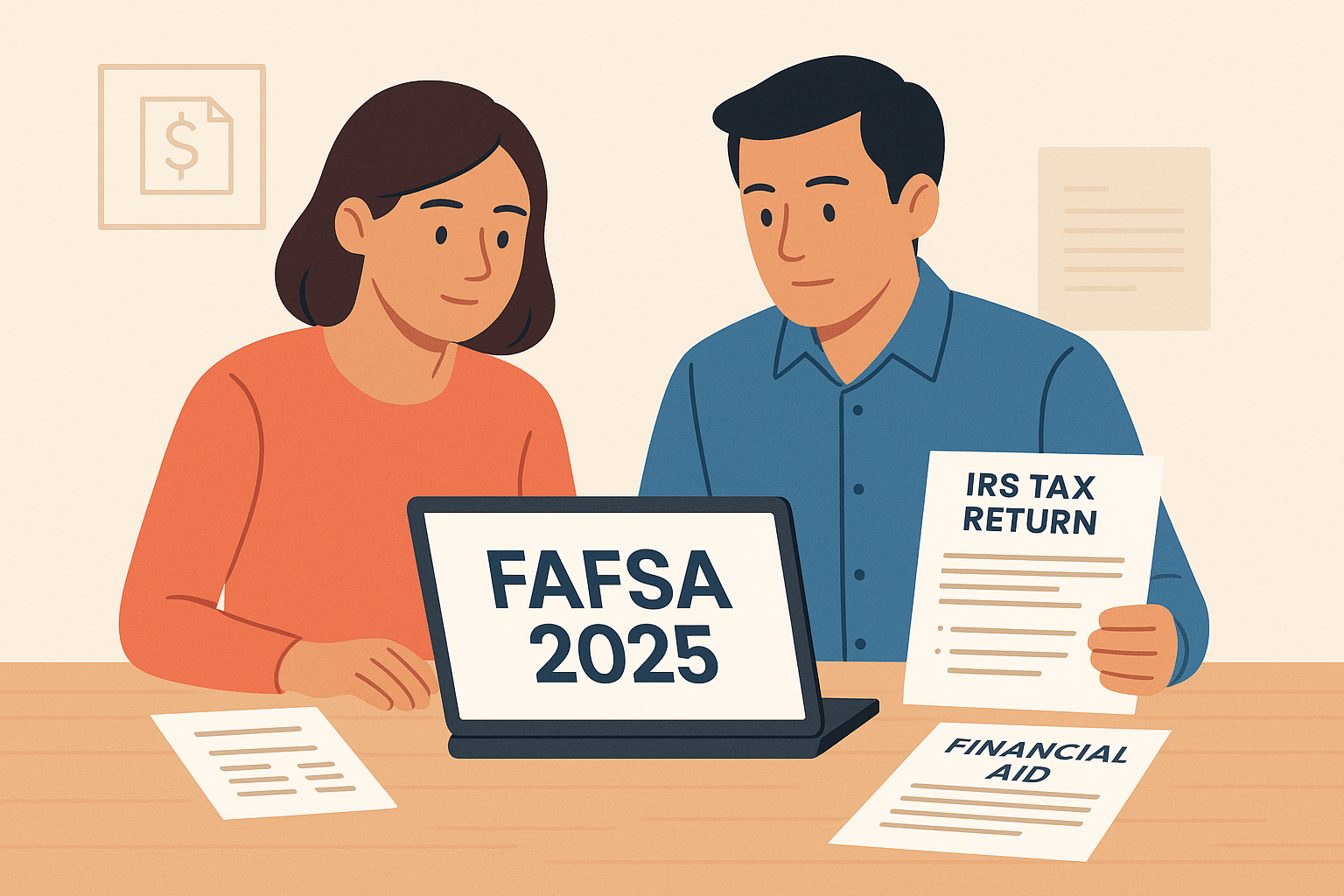
The 2025 FAFSA relies heavily on IRS data connections. When the system struggles to pull information, it can lock your application or force a restart. Having every document in front of you helps you move quickly when the system finally works.
- Last year’s tax return and W-2s.
- Current bank summaries.
- Any records of untaxed income or child support received.
- Records of investments or business/farm assets (if applicable).
Strategic Timing: Avoid Peak Hours
This may seem too simple, but timing makes a significant difference. The system has been severely overloaded during peak evening hours, especially on Sundays. Parents report far fewer glitches:
- Early in the morning (7 a.m. to 9 a.m. local time).
- Mid-afternoon on weekdays.
When a high-stress platform is overloaded, timing becomes your most effective troubleshooting strategy.
Protecting Your Session: Saving and Troubleshooting
The updated FAFSA form has issues where long sessions can expire without warning, causing all entered data to vanish.
- Save Frequently: Use the save button after every major section. If the system logs you out, you can jump right back in without restarting.
- Contribute Accurately: Ensure every contributor (parents, step-parents, or anyone else tied to the student’s financial picture) accepts the invitation and submits their section completely. Incomplete contributor invitations are the biggest source of delayed submissions this year.
- Troubleshoot with a Reset: If you hit an error, do not keep refreshing. Log out, clear your browser cache, and start a fresh session. This resets the connection that the FAFSA uses to verify data.
Post-Submission: Monitor and Follow Up
Just because you submitted the FAFSA doesn’t mean your job is finished. With this year’s processing delays, you need to check your dashboard weekly for flags such as “action required” or “missing information.”
- If your application enters the verification queue, respond to requests from the college quickly.With this year’s processing delays, you need to check your dashboard weekly. The final aid package relies on the new Student Aid Index (SAI) rules being calculated accurately. Schools can’t build a complete financial aid package until the FAFSA is processed.
- If your FAFSA hasn’t processed within three weeks, contact the college’s Financial Aid Office early.
- Ask the college what documents they’ll accept while waiting for the official data file. Many schools will still provide an estimated award so your child isn’t left guessing.
Understanding the maximum Pell Grant for 2025–26 is especially important after submission, since delays or errors in SAI calculations can directly affect how much federal grant aid your child ultimately receives.
Final Records and Advocacy
Because the system has been unstable, I encourage parents to treat the FAFSA process like a legal proceeding. This data is critical, especially when considering the long-term risks of student loan repayment and potential tax implications. You’d be surprised how often a simple screenshot resolves a week-long delay.
- Save copies of all confirmations, notes, and timelines.
- Take screenshots of specific screens or errors.
- Keeping detailed backup records helps the college advocate for your student if there is a dispute later.
The 2025 FAFSA rollout has tested everyone’s patience. But parents who approach the process with a clear, steady plan are finding that the barriers are manageable. The steps above won’t fix the system, but they will help you navigate it without losing weeks to confusion or technical errors. If you follow this roadmap, you stay in charge instead of reacting to every technical snag.
SchoolAidSpecialists.com is an independent educational publisher and is not affiliated with the U.S. Department of Education or any government agency. FAFSA processing timelines, system performance, and eligibility rules may change. Always confirm current requirements through official federal or college financial aid sources.

Sarah Johnson is an education policy researcher and student-aid specialist who writes clear, practical guides on financial assistance programs, grants, and career opportunities. She focuses on simplifying complex information for parents, students, and families.