

⏱️ Read Time: 6 Mins
The federal tax refund system operates on a linear timeline: return received, return approved, funds sent. For the vast majority of accounts, the “Where’s My Refund” tool simply tracks this progression until a deposit date appears.
Currently, however, that timeline is being severed for thousands of users. The expected refund amount is vanishing from the dashboard, replaced not by a new date, but by a reference number, Topic 151 or Topic 203, indicating that the money has been flagged, adjusted, or seized before it ever left the Treasury.
Topic 152. Topic 151. Topic 203.
These aren’t error codes. They are status updates that signal the automated process has been interrupted or redirected. The IRS computer system has flagged your return, and depending on which number you see, your refund might not be delayed. It might already be gone.
Why the Tool Is Useless Right Now
The “Where’s My Refund” tool is designed to be vague. It doesn’t give specific details because of privacy laws and system limitations. It just gives you a code.
For millions of filers, this is the moment the panic sets in. You filed early. You did the math. You were counting on that specific amount to cover rent, a car repair, or credit card debt.
Now, you have a code, no money, and no explanation. The IRS will eventually send a letter explaining why the number changed, but that letter takes weeks to arrive. The code is your only clue right now.
Topic 152: The Waiting Room
If you see Topic 152, the situation is annoying, but usually not catastrophic.
This code technically means “Refund Information.” It is the generic placeholder the system uses when a return is taking longer than the standard 21-day window but hasn’t necessarily been rejected or seized yet.
It often appears when the IRS needs to manually review something simple, or when the system is just backlogged. It doesn’t automatically mean your money is gone. It just means the automatic approval conveyor belt has paused. You are in the waiting room.
Topic 151: The Principal’s Office
Topic 151 is different. This is “Appeal Your Right.”
When this appears, the IRS is actively changing your return. They found something they disagree with. Maybe you claimed a dependent they don’t think you qualify for. Maybe your income didn’t match the W-2s they have on file. Maybe there was a math error in your favor that they are correcting.
Topic 151 means your refund is being adjusted, usually downward.
The key word here is “Appeal.” The IRS is effectively saying, “We are changing your numbers. If you don’t like it, here is how you fight us.”
This code signals that a delay is now inevitable. You will likely receive a partial refund (if anything is left after their changes) or no refund at all, but the action is happening within the tax return itself. The dispute is between you and the IRS.
Topic 203: The Seizure
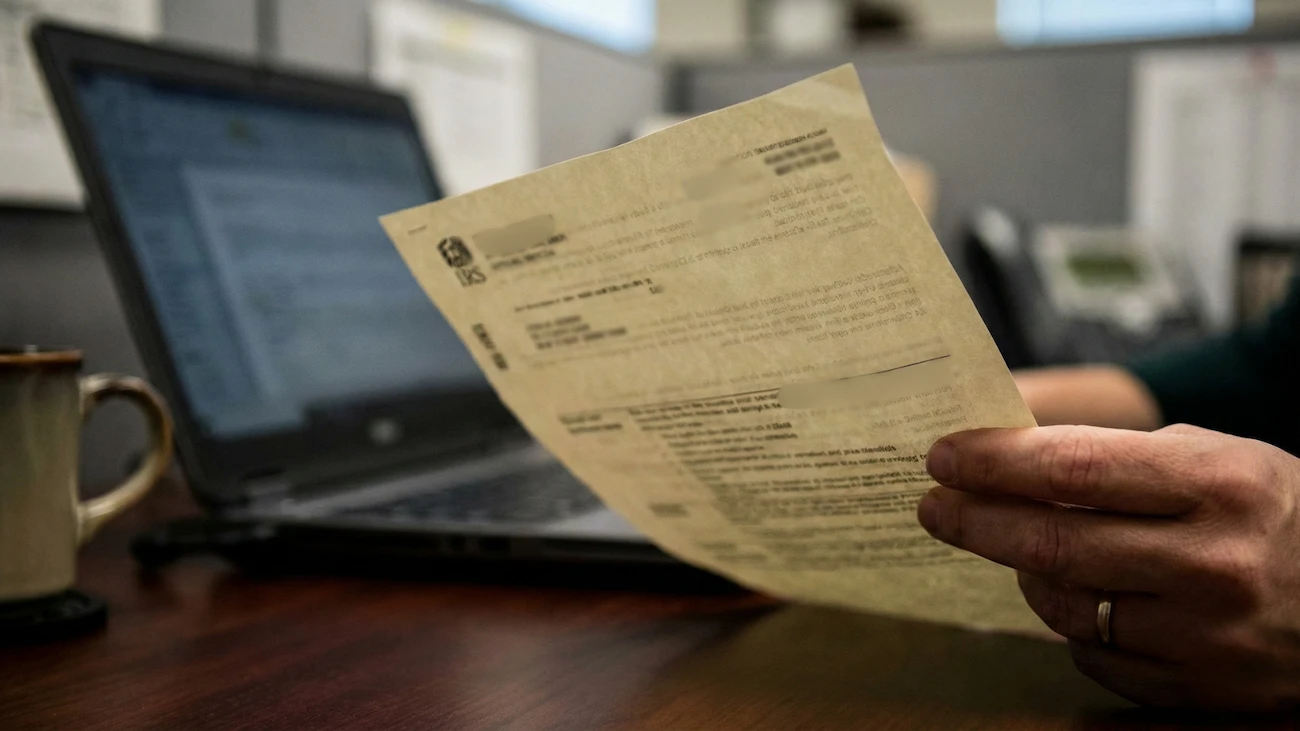
Topic 203 is the one that stops your heart.
It stands for “Refund Offset.”
If you see this, the IRS isn’t necessarily disputing your tax return. In fact, they might agree that you are owed a refund. They just aren’t giving it to you.
Topic 203 means the Department of the Treasury has intercepted the money to pay a debt you owe to the government. The refund has been seized.
This is not a delay. The transaction has likely already happened. The computer system checked your social security number against a federal database of delinquent debts, found a match, and routed your money to a different agency.
Who Actually Took the Money
The IRS is just the collection agent here. They don’t keep the money from a Topic 203 offset; they pass it on.
The Treasury Offset Program (TOP) allows state and federal agencies to cut in line before your direct deposit hits. Common triggers include:
- Past-due child support: This is one of the most aggressive offsets. States will seize the entire federal refund to cover arrears.
- State income tax debt: If you owe New York or California money from three years ago, they can ask the feds to grab your federal refund to pay it.
- Unemployment compensation repayment: If a state overpaid you for unemployment benefits years ago, they can take this check to settle the score.
- Federal non-tax debt: This includes defaulted federal student loans (though policies shift, the mechanism remains) or other federal agency fines.
Seize First, Explain Later
The reason this code causes so much confusion is the timing.
You might be on a payment plan for your state taxes. You might have thought your child support was current. You might not have realized that old unemployment overpayment was still in the system.
The Treasury Department does not call you to warn you. They do not send an email asking for permission. The “Where’s My Refund” tool simply updates to Topic 203, and the balance drops to zero or significantly lower than you expected.
By the time you see the code, the money is usually already transferred.
Finding Out Where It Went
The “Where’s My Refund” tool won’t tell you who took it. It just tells you that it was taken.
To find out the source of the debt, you cannot call the IRS. They can’t help you. They didn’t initiate the debt; they just honored the seizure order.
You have to contact the Treasury Offset Program (TOP) IVR system. The number is 800-304-3107.
This is an automated system. It allows you to enter your Social Security number to hear if there is an offset against you. It will list the agency that took the money and provide a contact number for that agency.
Calling the Treasury or the IRS will not get the money back. The only way to reverse a Topic 203 offset is to prove to the agency that seized the funds, the child support office, the state tax board, that they made a mistake. And that process takes months, not days.
The Cost of Not Knowing
If you see Topic 203, checking the website five times a day won’t change the result. The money isn’t stuck in processing. It has been redirected.
Waiting for the official notice to arrive in the mail just adds weeks of uncertainty. The letter will eventually confirm what the code is already signaling: the refund you were counting on has been used to pay for your past.
The hardest part of this process is realizing that the transaction is likely already over. The government can take months to issue a refund, but the Treasury takes seconds to seize one. If you see Topic 203, the system didn’t fail. It worked exactly as designed. It settled your old debt with your new money before you even woke up to check your phone.

Sarah Johnson is an education policy researcher and student-aid specialist who writes clear, practical guides on financial assistance programs, grants, and career opportunities. She focuses on simplifying complex information for parents, students, and families.