⏱️ Read Time: 3 Mins
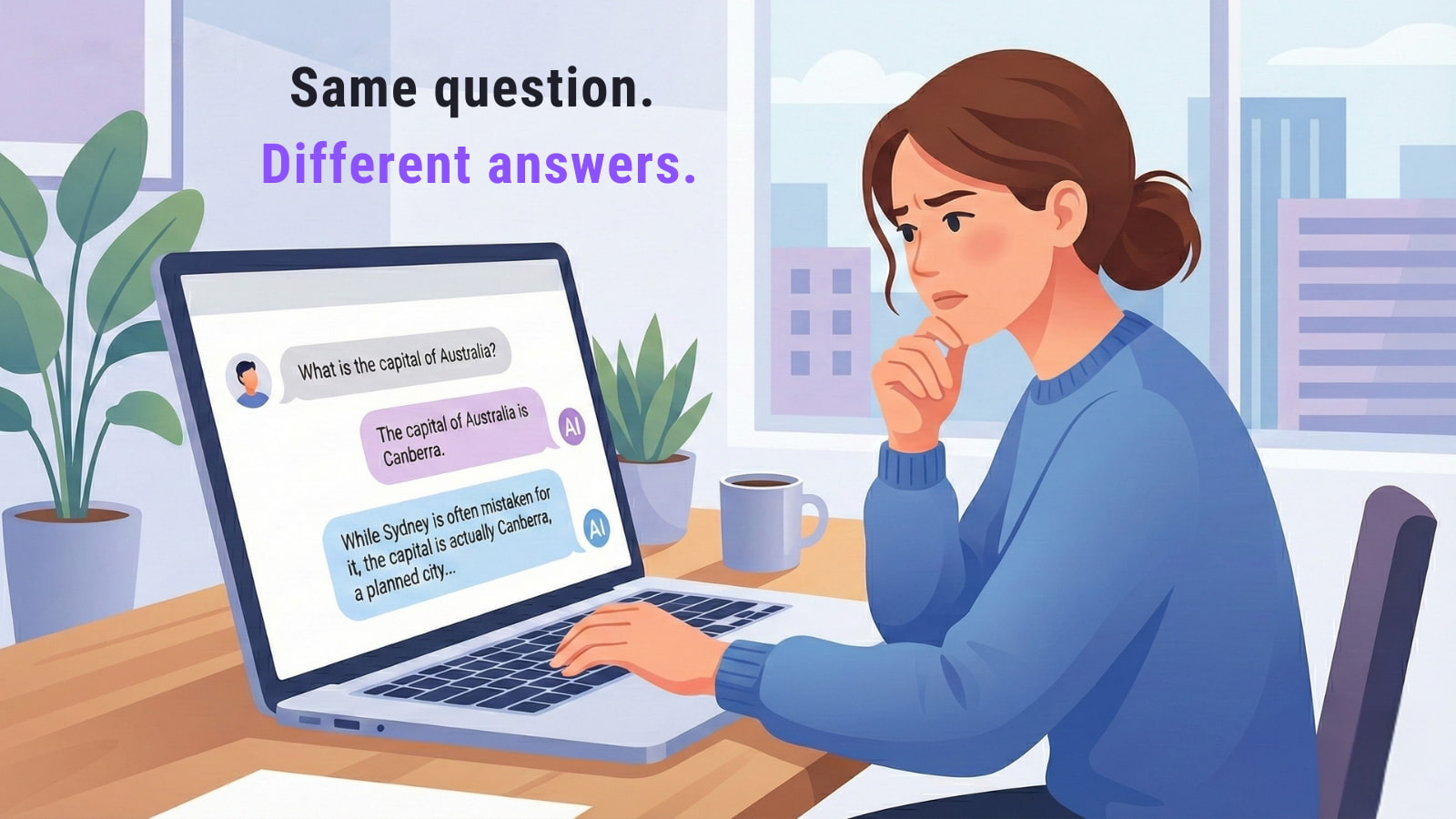
People who use ChatGPT daily say something feels off. Answers that used to be detailed now feel shorter, safer, or noticeably different, even when users ask the exact same question.
Across forums and social platforms, users report that ChatGPT no longer responds the same way it did weeks or months ago, leading to confusion about whether the tool has changed, or if something else is happening behind the scenes.
What Users Are Noticing
Users say the shift is most noticeable when they reuse prompts that once worked perfectly.
The most common complaint is inconsistency. Users report typing in a prompt that worked perfectly last week, only to get a response today that feels “filtered” or generic.
Many users say they haven’t changed how they prompt ChatGPT, but the output feels noticeably different. Some describe the new answers as being more cautious, often refusing to speculate or providing shorter summaries instead of deep analysis. Follow-up questions that used to dig deeper now sometimes result in repetitive loops.
Why ChatGPT Answers Can Change
While it feels personal, these shifts are rarely glitches. ChatGPT isn’t static. Its responses depend on updates, settings, and how conversations are handled in real time.
AI systems are updated regularly. Developers tweak safety rules, adjust “context windows” (how much of the conversation the AI remembers), and refine how the model prioritizes speed versus depth. A minor update on the backend can completely change the “personality” of an answer without any official announcement.
Who Notices the Change the Most
Casual users might not see the difference, but heavy users are spotting the pattern immediately. You are more likely to notice this shift if you fall into these groups:
- Daily users who rely on specific workflows.
- People using saved prompts that suddenly stop working.
- Writers and students looking for creative nuance.
- Freelancers who use the tool for coding or debugging.
Why This Is Confusing (and Frustrating)
The frustration comes from the erosion of trust. When an AI sounds confident but gives different answers on different days, users don’t know which version to trust.
People expect consistency. If a calculator gave a different answer to “2+2” today than it did yesterday, you would stop using it. While language models aren’t calculators, users build habits around how the AI behaves. When that behavior changes silently, it can feel like the tool is “breaking” or “getting dumber,” even if it is technically operating as intended.
What Users Can Check or Rethink
If you are struggling with responses that feel “off,” it helps to adjust expectations. Be aware that updates happen constantly in the background.
Don’t assume old prompts will always behave the same way. The exact phrasing that triggered a great response last month might trigger a “safety” filter this month. It is also worth double-checking critical outputs, or focusing on human tech skills that AI cannot easily replace.
ChatGPT isn’t broken, but it also isn’t fixed in place. As the system evolves quietly, users are learning that the same question won’t always get the same answer.
Looking for stable work in tech? Check out the top:
Tech Careers You Can Start Without a Degree in 2026

Sarah Johnson is an education policy researcher and student-aid specialist who writes clear, practical guides on financial assistance programs, grants, and career opportunities. She focuses on simplifying complex information for parents, students, and families.