⏱️ Read Time: 3 Mins
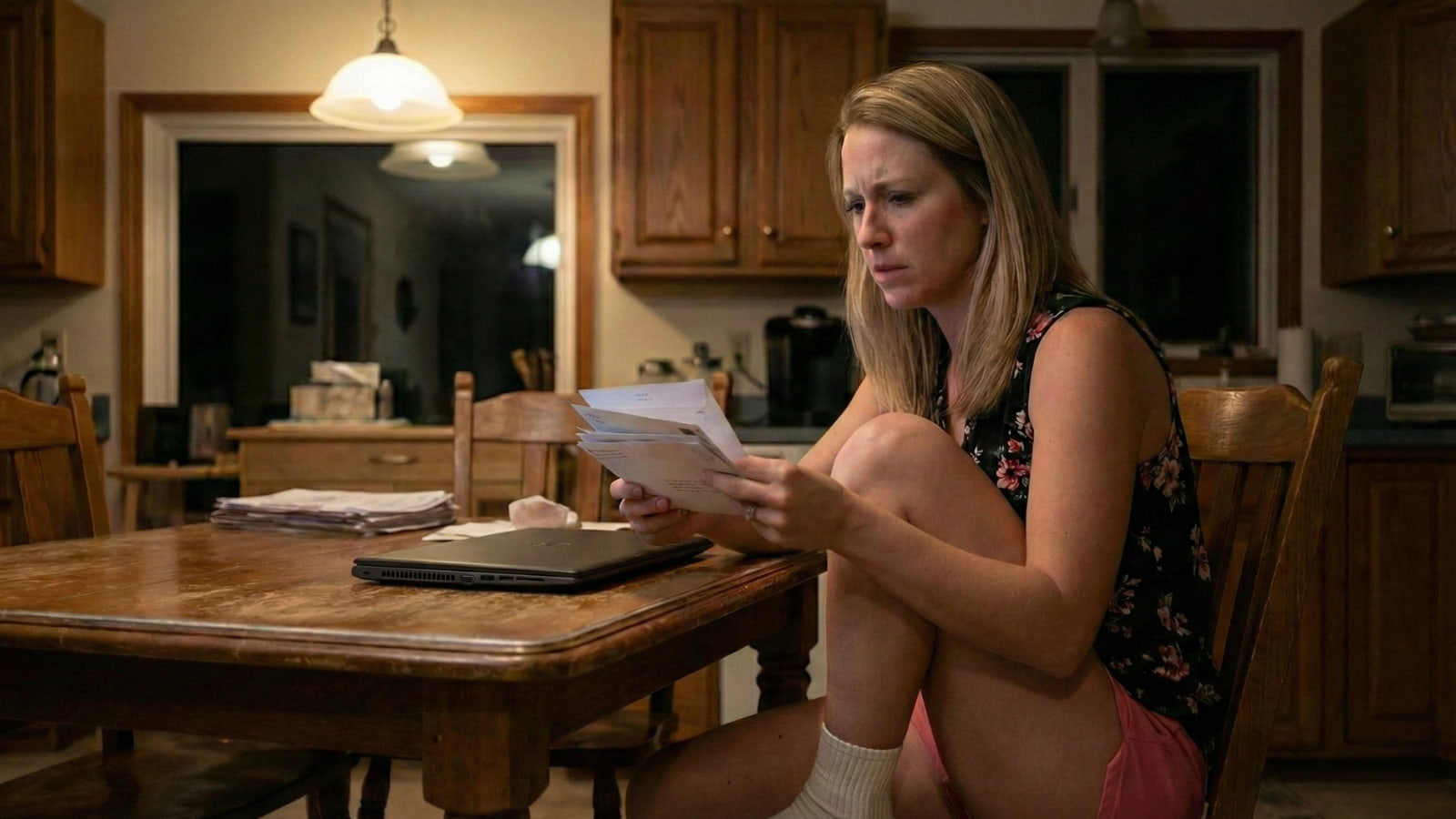
Millions of student loan borrowers receive official notices every year and assume they are informational or routine. But a single overlooked line in these notices can quietly trigger delinquency reporting, missed deadlines, or credit score damage, even when borrowers believe they are in good standing as repayment notices resume this year.
Confusion around repayment status, forbearance language, and servicing transfers is causing borrowers to miss actions they didn’t realize were required, according to recent borrower reports. Borrowers posting in loan forums say they didn’t realize the notice mattered until their scores dropped.
Why These Notices Are Being Misread
The problem is rarely that borrowers are ignoring their mail. The problem is that the notices often look generic or automated. Critical warnings are frequently buried in documents that appear to be standard “informational” updates.
If your notice mentioned “pending,” “certification,” or “forbearance ending,” it was not an update, it was a deadline.
Servicers often bundle urgent warnings inside valid-looking monthly statements. Language is intentionally vague. Many borrowers operate under the dangerous assumption that silence means safety, believing that if they don’t see a bill, nothing is required.
Many of these notices are sent automatically during repayment transitions, servicer changes, or plan recertification periods. Borrowers often assume they are routine system messages, not realizing the language signals a required response.
The One Mistake That Hurts Credit
Borrowers assume $0 due means safety. That assumption is costing people their credit.
The most common error is ignoring a notice that says “action required” because it is buried mid-page or looks like fine print. Borrowers miss certification deadlines or fail to confirm income updates, assuming their current plan covers them automatically.
Missing a simple confirmation deadline can cause your account to silently exit its protected status. Once that happens, missed payments begin to accrue on the backend, leading to negative reporting.
Who Is Most at Risk Right Now
This is not hitting everyone equally. You are at higher risk if you fall into these specific categories:
- Borrowers who recently changed repayment plans: The transition gap is where errors happen.
- Accounts transferred to a new servicer: paperwork often gets lost or status codes get reset.
- Borrowers coming out of forbearance: The rules change immediately when the date passes.
- People with older federal loans: Legacy accounts have different reporting triggers.
- Anyone who hasn’t logged into their account recently: Email alerts often miss critical dashboard notifications.
Why Credit Damage Happens Before People Notice
The damage does not happen instantly, which is why it catches people off guard. There is a reporting lag.
First, the notice is sent and missed. Weeks pass. Then, the system flags the account as non-compliant. Finally, the delinquency is reported to credit bureaus. By the time a borrower sees their credit score drop, the “late” status has already been recorded. You often only realize the mistake after the damage is done.
What Borrowers Should Check Immediately
Do not wait for a credit alert. Log into your student loan portal today and verify these five things:
- Check current loan status: Ensure it says “In Repayment” or “Forbearance” and understand what your status code actually means.
- Look for “Action Required”: Search your message inbox for this specific phrase.
- Confirm repayment plan is active: Make sure your IDR or SAVE status isn’t listed as “Pending” or “Expired.”
- Verify no missed certification: Check if you missed an income update deadline.
- Watch for servicing transfer messages: Ensure you are logging into the correct servicer’s site.
Worried about the tax bill? Use our free
Student Loan Tax Bomb Calculator
to estimate your insolvency.

Sarah Johnson is an education policy researcher and student-aid specialist who writes clear, practical guides on financial assistance programs, grants, and career opportunities. She focuses on simplifying complex information for parents, students, and families.