⏱️ Read Time: 3 Mins
Finding a zero balance or a locked screen on a student loan portal usually causes immediate panic.
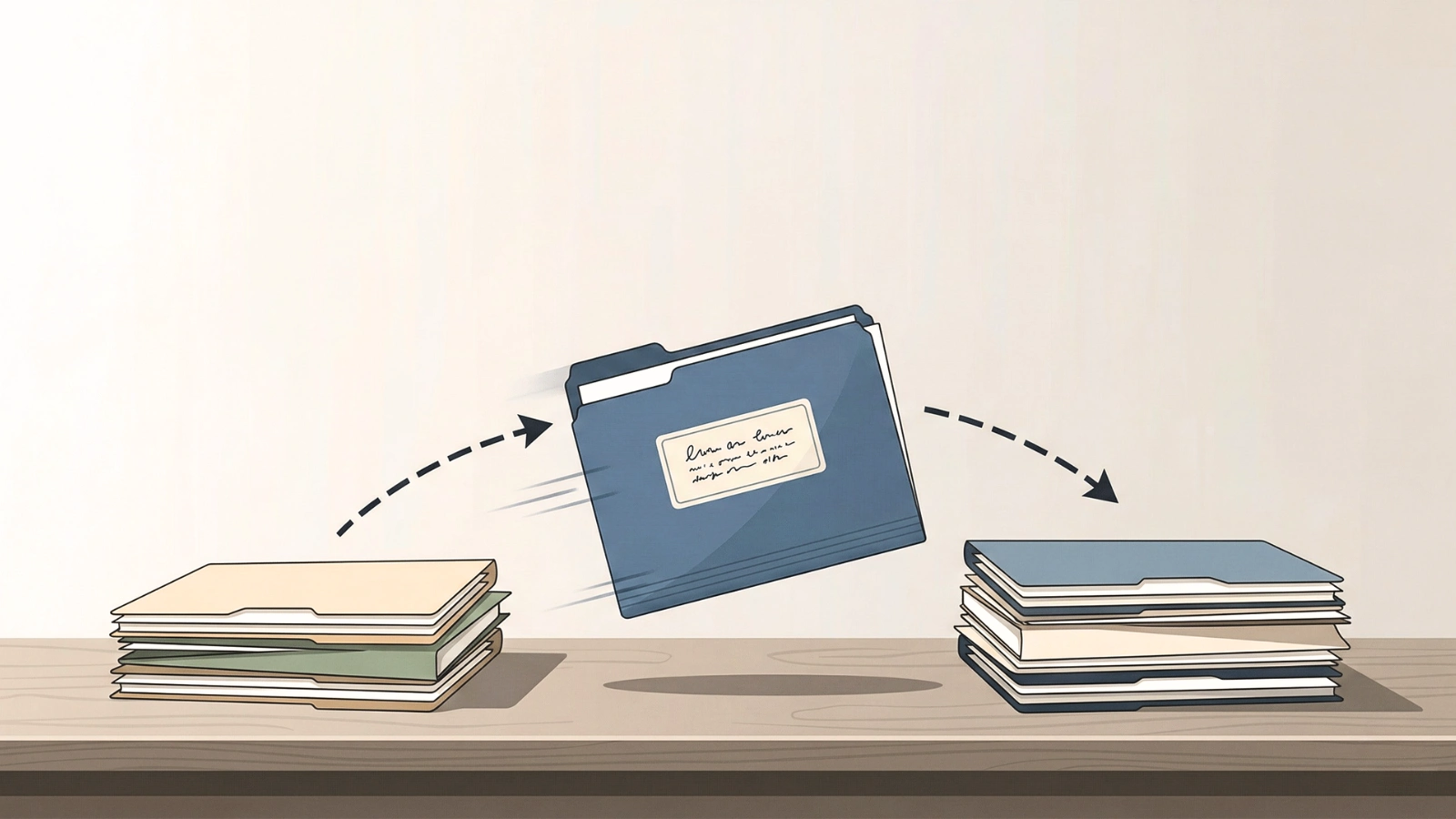
It looks like the debt vanished, but the reality is just an administrative headache. The account was likely boxed up and shipped to a completely different servicing company.
Borrowers are currently getting bounced between companies like MOHELA, Nelnet, and Aidvantage without much warning. This is a system‑wide shuffle, not a penalty against the specific account.
This is happening to a large number of borrowers right now and does not mean your loan is forgiven or erased. Your balance may show zero temporarily, but your loan has not disappeared.
Why Accounts Get Moved Suddenly
Federal Contract Changes: The federal government regularly reshuffles accounts between servicing companies based on contract renewals, performance issues, and system capacity. These transfers can happen in large batches without individual notice.
Expired Contracts: When a servicing company fails to meet strict performance metrics or their federal contract expires, the government instantly reassigns their entire portfolio to a competitor.
Balancing The Workload: The student loan system is currently choking on paperwork backlogs. The government frequently pulls large blocks of accounts from overwhelmed servicers and hands them to companies with more immediate server capacity.
Specialized Programs: Applying for specific federal tracks, like certain types of specialized discharge or forgiveness, often triggers an automatic transfer to whichever single company is contracted to manage that exact paperwork.
If your account was transferred and your balance or payment looks off, check these related issues:
What A Servicer Transfer Actually Means
In simple terms, only the logo on the monthly bill is changing. The actual math remains legally untouched.
A new servicer cannot alter the fixed interest rate, the total principal balance, or the terms of an active income‑driven repayment plan. The original master promissory note locks in those exact details permanently.
However, the digital handoff between massive corporate databases is notoriously messy. Payment histories and forgiveness tracking counts often take several weeks to fully populate on the new platform.
During this blackout window, the old servicer portal goes dark, and the new servicer might not even recognize the borrower’s social security number yet.
What You Should Do Before Payments Restart
Assuming the government will transfer decades of financial data perfectly is a huge risk. A solid paper trail is the only real defense against a server glitch.
First, log into StudentAid.gov to check the main federal dashboard. The central government database updates weekly and will officially list the name of the newly assigned servicing company.
Next, download the complete payment history from the old servicer immediately if the old portal is still active. Having hard proof of past payments is crucial if the new company somehow loses the data during the migration.
Finally, do not trust old auto‑pay settings. A bank account connection almost never transfers between competing companies. A new auto‑draft profile has to be manually built on the new servicer’s website once the account finally goes live.
Keep watching the mail for a physical welcome letter. It will contain the exact account number needed to bypass the blackout period and register a new login.

Sarah Johnson is an education policy researcher and student-aid specialist who writes clear, practical guides on financial assistance programs, grants, and career opportunities. She focuses on simplifying complex information for parents, students, and families.