⏱️ Read Time: 3 Mins
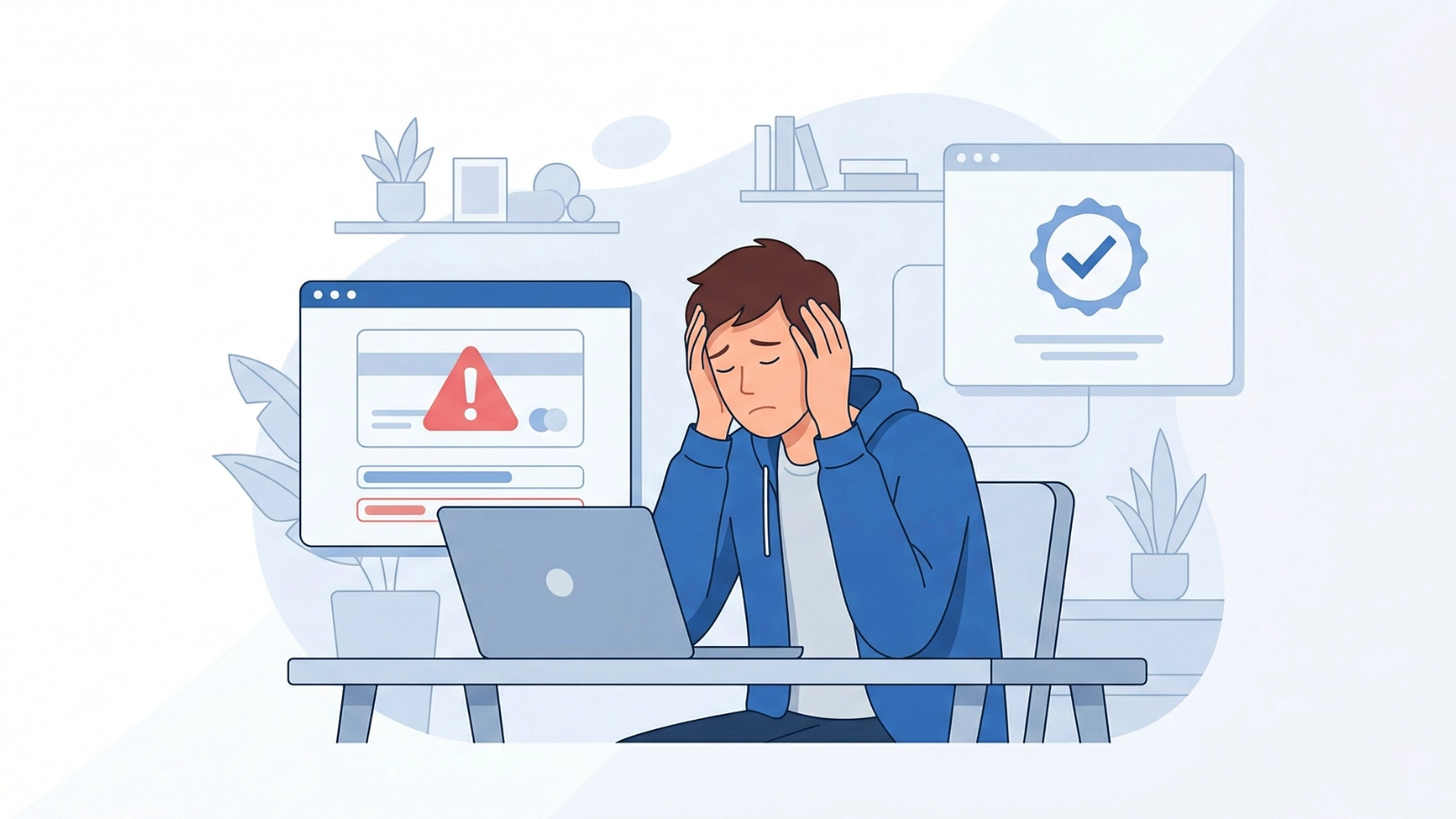
Your income-driven repayment plan is approved, but your loan servicer is still billing you for the old, higher standard amount. This happens because the servicer has not manually updated your specific account to match the federal approval data.
Why This Happens
The Department of Education and your loan servicer operate on separate systems.
A servicer employee must update your account manually and enter the new payment calculation into your profile.
Until that update is done, your old payment stays active.
See the real timeline and when it should update →
how long IDR update takes after approval
What To Do Right Now
Log into your servicer portal immediately and disable auto-pay.
Leaving automatic withdrawals active allows their outdated billing system to pull the incorrect standard payment directly from your bank account.
Call your servicer and tell them your IDR is approved but not updated yet.
Ask for a processing forbearance to legally pause your payments without penalty while they resolve their update delay.
See if you should keep paying or not →
do you have to pay while IDR is pending
If Your Due Date Is Close
Do not wait for the system to correct the invoice in the final days before your scheduled payment.
Ask the representative to instantly apply an administrative pause to cover this specific upcoming billing cycle.
Request an email confirmation while you are still on the line, proving the current invoice is cancelled and no money is owed.
Document the exact date, timestamp, and the employee ID of the agent who authorizes the change to your profile.
Follow the exact steps to fix it right now →
approved but still showing old payment
What Happens If You Ignore It
If the higher payment goes unpaid, your account can become delinquent.
A missed payment inflicts immediate, lasting damage on your credit score now that federal leniency protections have expired.
Paying the inflated amount just to avoid a late fee effectively traps your cash inside a broken system.
Securing a refund for a servicer-driven overpayment routinely takes several months, leaving you without access to your own money.
See what happens if it stays pending too long →
student loan application pending too long

Sarah Johnson is an education policy researcher and student-aid specialist who writes clear, practical guides on financial assistance programs, grants, and career opportunities. She focuses on simplifying complex information for parents, students, and families.