⏱️ Read Time: 3 Mins
If your student loan suddenly switched to forbearance without you doing anything, you’re not alone. Many borrowers are seeing their status change automatically, even without submitting a request. You did not miss a notification. You also did not accidentally click a button.
The Collapse of the SAVE Plan
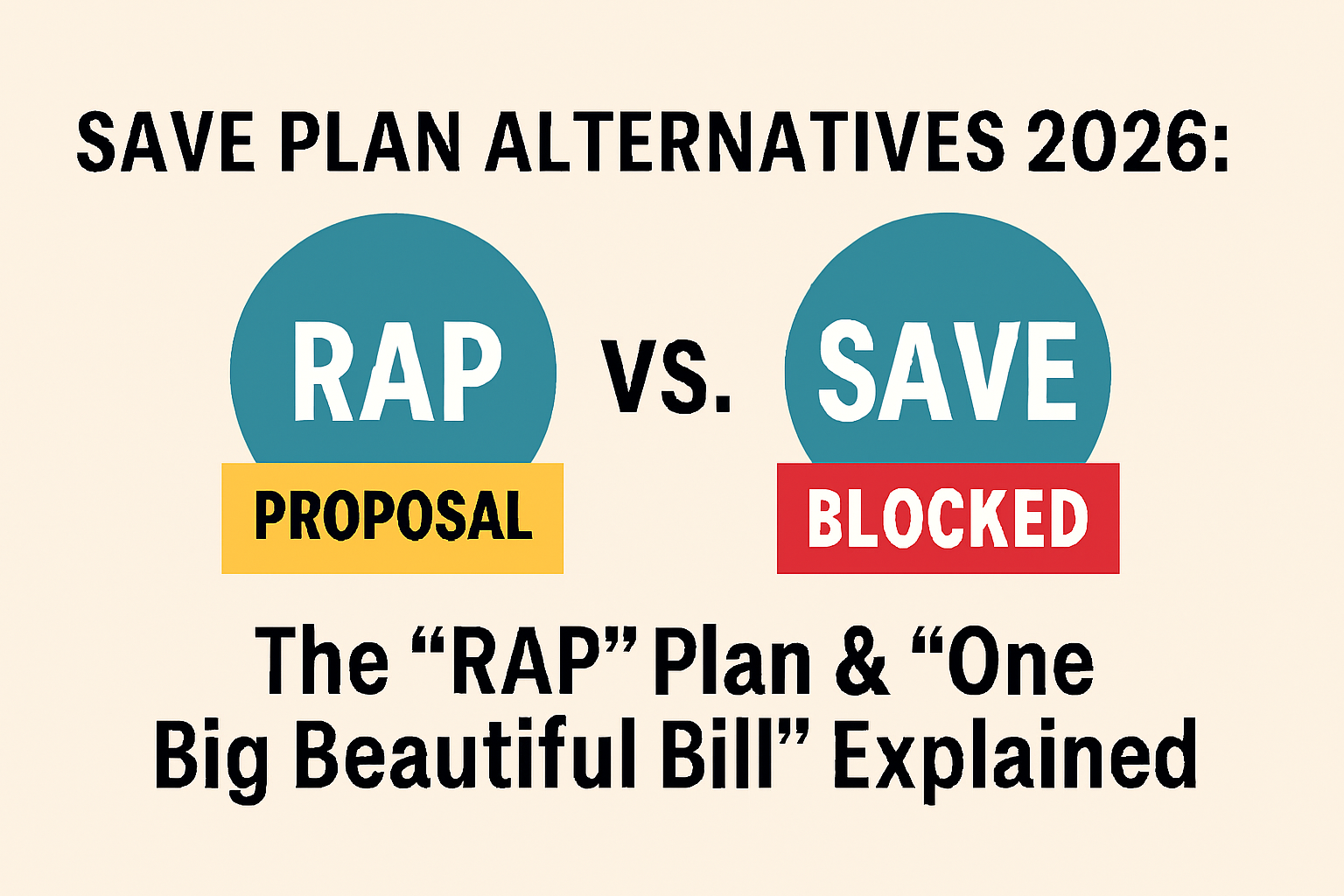
The primary driver behind this mass forbearance is the legal dismantling of the Saving on a Valuable Education (SAVE) plan. Following federal court rulings and a major settlement in late 2025, the program was effectively shut down.
If you were previously enrolled in SAVE, the government automatically placed your account into a holding pattern. Servicers legally cannot bill you under a defunct program, so they paused your required payments while waiting for new directives.
The Processing Backlog
You might also trigger an automatic forbearance simply by trying to manage your debt. If you recently applied to switch to a different Income-Driven Repayment (IDR) plan or requested a loan consolidation, the system automatically hits pause.
Servicers like MOHELA, Nelnet, and Aidvantage are currently dealing with severe administrative backlogs. When you submit new paperwork, they automatically apply a 60-day processing forbearance to keep your account out of default while they calculate your new rate.
This is not optional. The system applies it automatically while your request is being processed.
Why This “Pause” Is Still Costing You
An automatic forbearance looks like financial relief on the surface, but it is incredibly expensive. The pause strictly applies to your monthly bill, not the underlying math of your loan.
As of August 2025, the U.S. Department of Education resumed charging daily interest on accounts sitting in the SAVE administrative forbearance. Your total debt burden is actively growing every single day you remain in this status.
You are absorbing months of interest without reducing your balance.
If your account suddenly shifted or doesn’t match what you expected, these breakdowns explain what’s happening:
The Incoming 2026 System
The federal government is currently preparing to launch the new Repayment Assistance Plan (RAP) in July 2026. This program is designed to replace the phased-out IDR options and become the new default for transitioning borrowers.
Until the RAP system is fully operational, your account will likely remain stuck in automated limbo. Waiting for the government to move you automatically means your balance continues growing while you are not making progress on the principal.
Taking Control of Your Account
You do not have to sit in forbearance and watch your balance climb. You can actively force your way out of the holding pattern by applying for a legally stable alternative, such as standard Income-Based Repayment (IBR).
Submitting a new application forces your servicer to pull your account out of the freeze, process a new payment schedule, and give you a definitive monthly bill so you can actually start paying down the principal again.

Sarah Johnson is an education policy researcher and student-aid specialist who writes clear, practical guides on financial assistance programs, grants, and career opportunities. She focuses on simplifying complex information for parents, students, and families.