⏱️ Read Time: 2 Mins
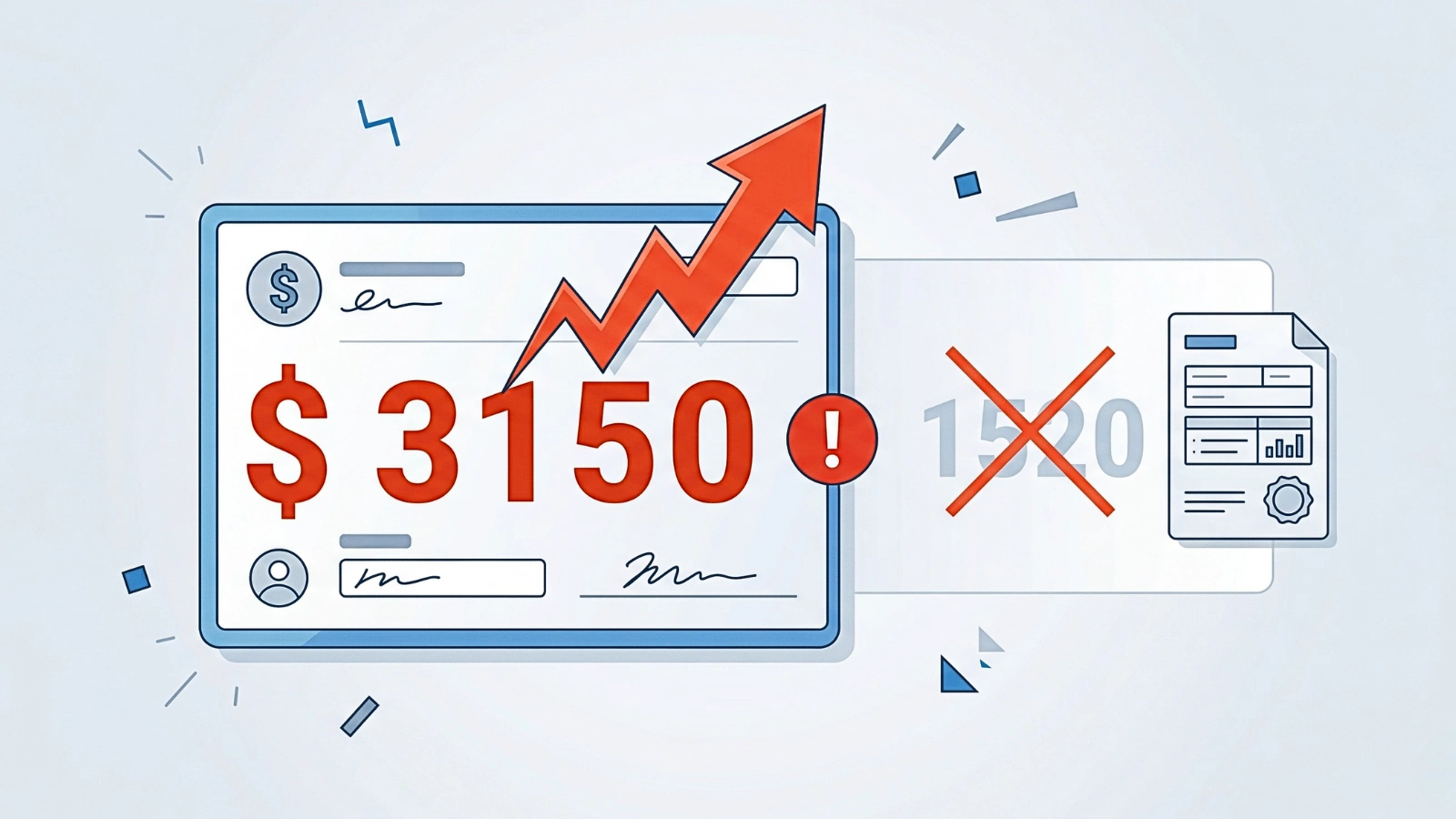
An approved income-driven repayment plan can still result in a higher monthly payment than expected. This usually happens because the servicer based your calculation on an outdated tax return or incorrectly included your spouse’s income.
Why The Calculation Is Wrong
Servicers automatically pull your most recent tax data from the IRS when processing your application.
If your salary dropped recently, your approved IDR payment will still reflect your old, higher income bracket.
If you file your taxes jointly, the government automatically includes your spouse’s income in the calculation.
This joint filing setup drastically inflates your household income and drives up your monthly bill.
See what’s causing the delay and how to fix it →
payment not updating after IDR approval
How To Fix It Immediately
Do not accept the inflated payment amount or wait for your next annual recertification.
Log back into StudentAid.gov immediately and submit a formal request for a payment recalculation.
You can override the outdated IRS data by manually uploading alternative documentation of your current income, such as your two most recent pay stubs.
Handling Your Current Bill
While this recalculation is processing, your servicer’s billing system will still demand the higher amount.
Call your servicer on the phone and clearly explain that you have requested a manual income recalculation.
Ask for a processing forbearance to legally pause your current payments without penalty until the correct math is applied.
See whether you need to pay while it’s being corrected →
do you have to pay while IDR is pending
What Happens If You Just Pay It
Paying the inflated amount just to avoid a late fee locks up your critical cash.
Refunds for overpayment can take time and are not guaranteed automatically once your lower payment is approved.
Force the administrative pause and keep your money safe until the invoice matches your actual current income.

Sarah Johnson is an education policy researcher and student-aid specialist who writes clear, practical guides on financial assistance programs, grants, and career opportunities. She focuses on simplifying complex information for parents, students, and families.