⏱️ Read Time: 3 Mins
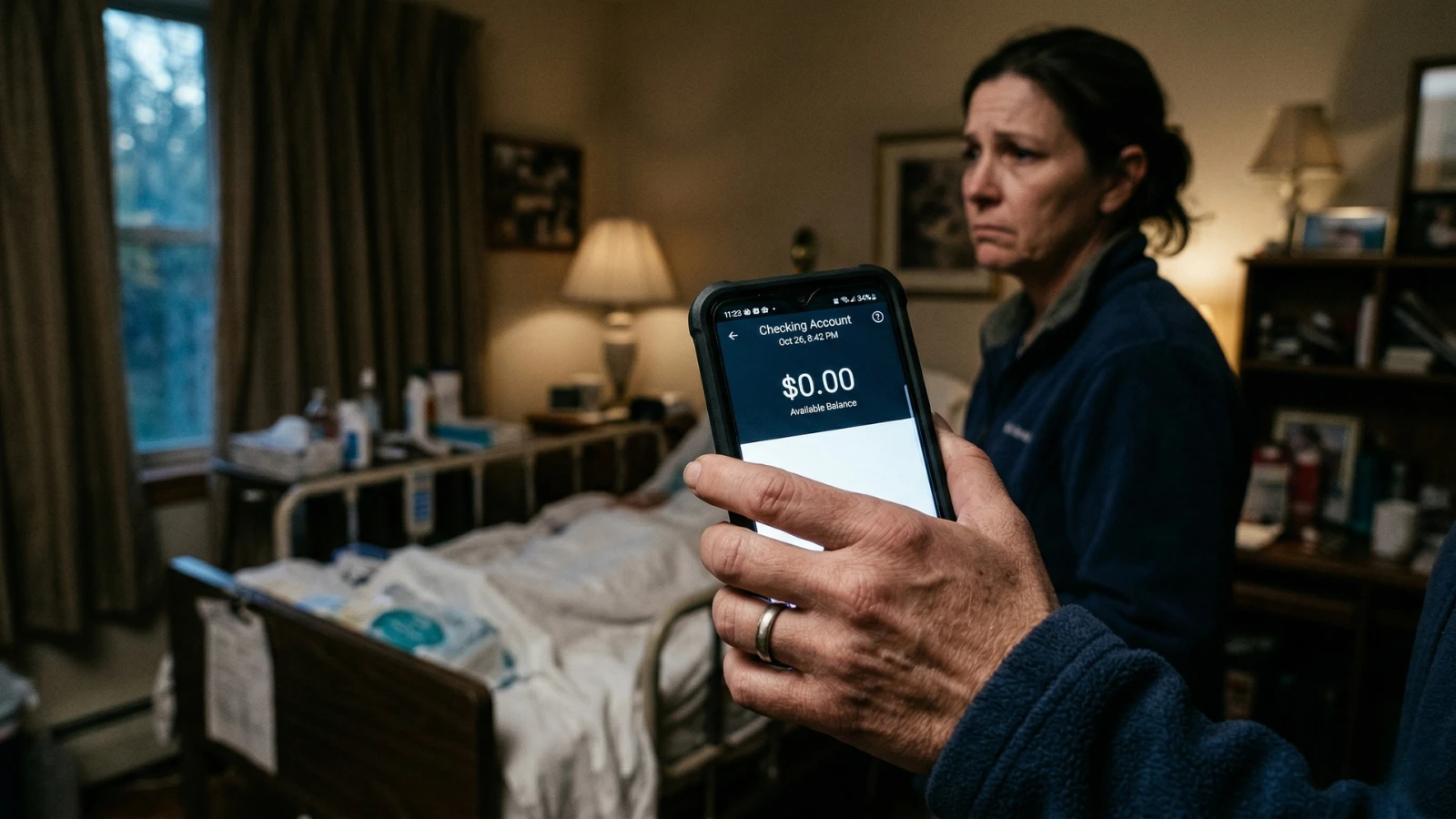
Checking your bank account multiple times a day will not make the money appear faster. If you submitted your hours and are still staring at a zero balance, you are not alone.
Finding your caregiver payment delayed is one of the most stressful parts of the job. Whether you are a family member relying on a state program or a professional aide, that deposit is what keeps the lights on.
When you are dealing with a parent caregiver payment late situation, or the money simply vanishes in the system, you need answers fast. You do not have time to wait on hold for hours just to be told a signature is missing.
Here is exactly what is holding up your funds in 2026, and the immediate steps you must take to force the system to release your money.
Here’s what usually goes wrong (and it’s not what they tell you)
If your payment hasn’t shown up, it’s not random. Something in the system has blocked it. Most people don’t realize this until it’s too late — and by then, the delay keeps repeating.
- EVV and Location Errors. If your GPS check‑in doesn’t match the recipient’s home, or you forgot to clock out, the system halts the paycheck.
- Overlapping Hours. Even a five‑minute overlap across clients triggers a fraud review and freezes your deposit.
- Missing Digital Signatures. If the recipient forgets to approve, payroll legally cannot release funds.
- Waiver or Eligibility Lapses. When Medicaid or VA paperwork expires, payouts stop instantly.
- Holiday and System Backlogs. Submit late on a Friday before a holiday and your timeline resets. Banks then hold deposits another 24–48 hours.
Friction scenarios you’ll recognize
You fixed the timesheet but still no payment. Portal says approved but your bank is empty. Caseworker not responding. These are the choke points that drag caregivers into weeks of waiting.
Before you call anyone, check this first
Do not blindly call the help desk yet. Representatives will ask for codes, and having your details ready cuts your wait time in half.
Log into your portal and check the timesheet status indicator. Look for “received,” “processing,” or “rejected.” Most people miss this silent flag.
Check for unread portal messages. A single missing signature or corrected date request can stall everything.
Verify your direct deposit details haven’t been purged. System updates sometimes reset banking info without warning.
The mistake that keeps delays repeating
Resubmitting wrong info, ignoring portal alerts, or just waiting instead of fixing — these are the traps that keep caregivers stuck in endless cycles. If you don’t act, the system doesn’t move.
How long this actually takes (and why it drags)
Most payments show up in 3–5 days. If yours didn’t, it’s already off track. Corrected timesheets go to the back of the queue, adding another week. VA stipends usually clear by the 5th, but if you’re past that, the delay is real.
If it’s been 10+ days, you’re in a different problem now
At day ten, you’re in manual review territory. Call your payroll vendor or county caseworker and state clearly you are past the 10‑day window. Request a manual override. Document every name, date, and error code.
Can you recover lost wages?
Yes. If your caregiver not paid yet status is due to state error or system crash, you will receive retroactive pay for all verified shifts. Back pay often arrives as a lump sum — alert your bank if it’s unusually large.
Keep submitting current hours. If you stop logging shifts, you create a cascading delay for your next paycheck.

Sarah Johnson is an education policy researcher and student-aid specialist who writes clear, practical guides on financial assistance programs, grants, and career opportunities. She focuses on simplifying complex information for parents, students, and families.